Tag Archives: algeria

Zajal el Zajjalin

Posted on 06. Feb, 2013 by in Arabic Language, art, Culture, Current Affairs, History, Language

Marhaba (مرحبا)! As promised in an earlier post, today I would like to introduce you all to Zajal (زَجَل), one of the most popular iconic and cultural traditions of many Mediterranean countries. In a nutshell, zajal is a traditional form of oral poetry  (شعر) in colloquial dialect (اللغة العاميّة ) . Most notably this form of oral poetry has roots in a number of Mediterranean cultures (ثقافات البحر المتوسط). In the Levant, it is popular in Lebanon and Palestine. In North Africa, zajal is popular in Morocco and Algeria. Zajal is in part semi-sung and semi-improvised (مُرتَجَل) and in fact reflects a debate between zajjalin (زجّالين). These zajjalin are the poets that improvise the zajal, which is usually accompanied by percussive musical instruments (أدوات موسيقية ايقاعية). In addition, to the different percussive musical instruments, in some places like Lebanon, the ney  (ناي)– type of wind instrument – is also used in zajal. In addition to the zajjalin going back forth among one other, there is usually a group of men that sing parts of the verse or repeat the chorus throughout. In new forms of zajal in Lebanon and Palestine, women have also joined the zajal by repeating parts of different verses or the main improvised chorus.

There is a degree of consensus between historians that zajal goes back to pre-Islamic times. However, many recent accounts have traced zajal back to 10th century and specifically to Cordoba, Al-Andalus (الأندلس) in Southern Spain. The different conquests between Arab countries, Spain and parts of Europe, and the different historical linkages through wars, invasions and conquests between Western and Eastern cultures has led to the preservation and continuity of zajal in various forms and in different countries. Countries like Greece, Italy and France (parts in the South) still have a form of zajal manifested in semi-improvised and semi-sung colloquial poetic traditions (تقاليد شعريّة).

One of the most recognized and modern forms of zajal is to be found in Lebanon. Lebanese Zajal like other forms of zajal is also semi-sung and semi-improvised in the colloquial Lebanese Arabic dialect. Many claim that its origins in Lebanon began within religious seminaries (مدارس لاهوتية) and orders of Maronite monks (رهبنة مارونية), and was at first sung and improvised in Syriac (سرياني), rather than Arabic.

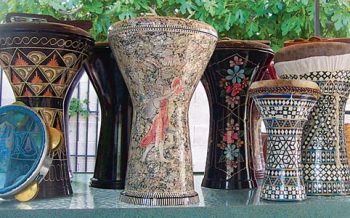
In most cases in Lebanon, zajal is performed during lunches and dinners. These meals include traditional Lebanese mezze dishes and platters. It is also performed in urban villages between different men that engage in musical debates (حوارات موسيقية) on a variety of topics ranging from love, food, patriotism to married life. In some instances, zajal is performed at wedding parties and could go on for hours and hours. Zajal usually begins with the famous ‘off..off…off…’ marking the beginning of the poetic duel. The Reddadi – the chanting chorus of men – accompany the verbal duel between the zajjalin. The derbake (دربكّة) and other traditional percussion instruments like the Daf  (دَفّ) usually accompany a Lebanese zajal session.

Derbake & Daf

In Lebanon, zajal has evolved and changed over time. Its heyday in Lebanon was before the Civil War which erupted in 1975. However, in the recent years, zajal has made a comeback to the Lebanese cultural scene. Zajjalin in Lebanon are reviewed as top rated poets that are genuine artists with their ability to express pure feelings of love and patriotism. The advent of the internet has popularized older shows and performances of prominent Lebanese zajjalin. It has become a national sensation and has been a great influence and point of convergence for many people. As a matter of fact, several Lebanese TV programs are hosting zajal tournaments (مباريات), where different individuals are invited to improvise and sing on spot in front of thousands of people.

I have added three YouTube videos from three different eras.

The first video features one of the most famous Zajjalin in Lebanon and the world, Joseph el Hashem. He is known as the Nightingale of Damour (زَغلول الدامور) – a coastal Southern village in Lebanon. It is an old film from the government’s national television archives.

YouTube Preview Image

The second video features Zajjalin from Mairouba, including the famous Mussa Zgheib.

YouTube Preview Image

The third video features the Nightingale of Damour with new young artists which include women performing zajal in a competition on a national Lebanese television. (Listen to how she begins with the ‘off..off…off…’

YouTube Preview Image

I hope you enjoy these videos and stay tuned for more upcoming posts.

Have a great day!

نهاركم سعيد


Algeria’s Story of Independence

Posted on 02. Nov, 2012 by in Arabic Language, art, Culture, Current Affairs, Film, History, Language, Literature, Vocabulary

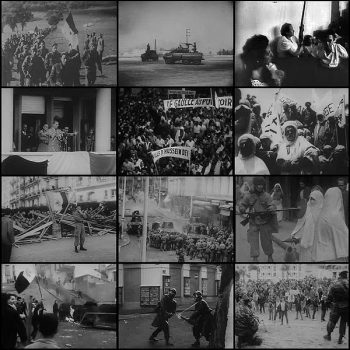
    Like yesterday in November, 1954 the Algerian Liberation Revolution ثــورة الـتــحـــــريــــر الــجــــزائـــريــــة broke out against the French colonization إســتــعـــمــــار that started in 1830. The revolution of the Algerian people lasted for nearly seven years of political and armed struggle. The revolution ended with the declaration of Algeria’s Independence إســتــقـــلال on 5 July, 1962. Nearly one and half million people were killed during this revolution. That is why Algeria was given the nickname of the country of one and a half million martyrs بـلــد الــمـــلــيــــون و نــصـــف شــهــيـــد all over the Arab world.

      The National Liberation Front جـبـهــة الـتـحــريـــر الـوطـنــى was a socialist political party that was set up on November 1 1954. It consisted of other smaller groups that were united under one goal; to obtain independence for Algeria from France. This Front established itself as the main nationalist group and had reorganized itself into something like a provisional government حـكــومــة مـؤقــتــــة . It consisted of a five-man executive and legislative body. The Front had also an armed wing that was called the National Liberation Army جـيــش الـتــحــريـــر الــوطـنــى that played the most important role in the liberation process.

      All France’s efforts to defeat the National Army or to stop the revolution were a failure. The National Liberation Front succeeded in persuading the Algerian people to revolt and flood the streets of big cities in mass demonstrations مـظــاهــــرات ; a step that forced the Algerian case onto the United Nations agenda. The war for independence continued until March 1962 when the French government finally signed the Evian Accords إتــفـــاقــيــــات ايـفـيــان and a Cease Fire Agreement مـعـاهـــدة وقــف إطــلاق الـنــار with the National Liberation Front. In July, the Algerian people approved the cease fire agreement with France in a referendum إسـتــفــتـــاء supporting the economic and social cooperation between the two countries. 

YouTube Preview Image

      It is worth noting that Algeria’s struggle كــِـفـــاح for independence and resistance for the French has never stopped since the first days of occupation. These earlier efforts failed because they were separate efforts from some national leaders and were met by extreme violence عــنــف and bloodshed ســفــك دمـــاء from the French side.

******

Check us back soon

Peace  ســـــلام /Salam/

Exactly 50 Years Ago: ALGERIA Heroically Gets Back Its Independence

Posted on 04. Jul, 2012 by in Arabic Language, Culture, Current Affairs, History, Literature, Vocabulary

If the world should be rightfully proud of the American Independence Day celebrated on July 4th, it should be very proud of the Algerian Independence Day celebrated the next day, on July 5th!

Today, July 5th, 2012, marks the 50th anniversary of a historical event of the utmost importance: Not only for one specific country, but in reality for the entire Arab world and beyond.

After 132 years of a particularly savage occupation by France, and after a fierce seven-year-long war to rid itself of the French colonial clutches, Algeria was finally able to regain its independence.

That happened officially 50 years ago, day for day.

The price for freedom was by no means cheap: The independence war claimed nearly 2,000,000 Algerian lives according to domestic estimates, not to mention countless “casualties of war.”

The lessons of the heroic Algerian struggle, actively supported by its many allies in the Arab world, most particularly Egypt, should not be lost on anyone, especially today, when the countries of the Arabic region are experiencing some of the most profound and most significant changes in their history.

YouTube Preview Image

To understand things in their right منظـــــــــور (perspective), a little historical recap is absolutely necessary.

Flashback to the 1930s, in the wake of more than 100 years of savage occupation of Algeria, in which concentration camps, cave gas chambers for the masses, and large scale looting of natural resources were all very common practices, the French colonial authorities considered that the time was come to declare to the whole world the resounding triumph of their “mission civilisatrice“!

From then on, the destiny of “l’Algérie Française” (“French Algeria”) was forever sealed and secured in the eyes of the colonialists.

Algeria was to remain forever French, and its people, though treated as second-rate citizens, or “أهـــــــالي” (“indigènes” in French), would none the less be considered as the children of the “French Motherland.” 

However, the reaction of the smashing majority of Algerians was swift and uncompromising.

The general response was best summed up by عبدالحميــــــد بن باديـــــــــس (Abdelhamid Ben Badis), the remarkable polymath who hailed from a prestigious Berber tribe and who nevertheless fully embraced Arabic as هُويــــــــــة حضــــــــاريـــة (a civilisational identity) of Algeria.

To the pre-WWII colonialist propaganda, he steadfastly opposed his now famous slogan: “شَعْـبُ الجـزائرِ مُـسْـلِـمٌ *** وَإلىَ الـعُـروبةِ يَـنتَـسِـبْ” (“The People of Algeria are Muslim and belong to the Arab world”)

شَعْـبُ الجـزائرِ مُـسْـلِـمٌ *** وَإلىَ الـعُـروبةِ يَـنتَـسِـبْ 

The people of Algeria are Muslim and belong to the Arab world

مَنْ قَــالَ حَـادَ عَنْ أصْلِـهِ *** أَوْ قَــالَ مَـاتَ فَقَدْ كَـذبْ 

Whoever said they degenerated or died has lied

أَوْ رَامَ إدمَــاجًــا لَــهُ *** رَامَ الـمُحَـال من الطَّـلَـبْ 

Or aimed to assimilate them, aimed to accomplish the impossible

يَانَشءُ أَنْـتَ رَجَــاؤُنَــا *** وَبِـكَ الصَّبـاحُ قَـدِ اقْـتَربْ 

O new generation, you are our hope, and thanks to you the dawn is nigh

خُـذْ لِلحَـيـاةِ سِلاَحَـهـا *** وَخُـضِ الخْـطُـوبَ وَلاَ تَهبْ

 Be prepared for life’s challenges, and let no polemic intimidate you

وَاْرفعْ مَـنـارَ الْـعَـدْلِ وَالإ *** حْـسـانِ وَاصْـدُمْ مَـن غَصَبْ 

Uphold the values of justice and philanthropy, and confront the usurper

وَاقلَعْ جُـذورَ الخَـــائـنينَ *** فَـمـنْـهُـم كُلُّ الْـعَـطَـبْ

Uproot traitors, for they are the main source of dysfunction

وَأَذِقْ نفُوسَ الظَّــالـمِـينَ *** سُـمًّـا يُـمْـزَج بالـرَّهَـبْ

And let oppressors taste an overawing venom

  !وَاهْـزُزْ نـفـوسَ الجَـامِدينَ *** فَرُبَّـمَـا حَـيّ الْـخَـشَـبْ

Shake the souls of the nonchalants—for even wood can come to life!

  مَنْ كَــان يَبْغـي وَدَّنَــا *** فَعَلَى الْكَــرَامَــةِ وَالـرّحبْ

Those who court our friendship are welcome and highly appreciated

  أوْ كَـــانَ يَبْغـي ذُلَّـنـَا *** فَلَهُ الـمـَهَـانَـةُ والـحَـرَبْ

And those who seek our disgrace, humiliation and perdition are their fair rewards

  هَـذَا نِـظـامُ حَـيَـاتِـنَـا *** بالـنُّـورِ خُــطَّ وَبِاللَّـهَـبْ

This is the creed of our life, carved with light and fire

  حتَّى يَعودَ لـقَــومــنَـا *** من مَجِــدِهم مَــا قَدْ ذَهَبْ

Until our people regain their missing glory

  هَــذا لكُمْ عَـهْــدِي بِـهِ *** حَتَّى أوَسَّــدَ في الـتُّـرَبْ

This is my oath to you, till the day I am laid in the ground

!فَــإذَا هَلَكْتُ فَصَيْـحـتـي *** تَحيـَا الجَـزائـرُ وَ الْـعـرَبْ

So if I died, my scream shall be: “Long live Algeria and Arabs!”

 (☆ An exclusive Transparent Arabic Blog translation  ☆)

* * *

YouTube Preview Image قسـمـــــــــاً – النشيــــــــد الوطنـــــــي الجزائـــــــري

Qassaman (“Oath” in Arabic) – النَّشيـــــــد الوطنـــــــي الجزائـــــــــري (The National Anthem of Algeria)