


Archive for November, 2010
Beijing Roast Duck (北京烤鸭) Posted by sasha on Nov 30, 2010
Without a doubt the most famous dish in all of China, Beijing Roast Duck (北京烤鸭 in Chinese) has been around since the days of the Ming Dynasty. These days, everyone can eat like the Emperor in Beijing’s countless upscale restaurants (for a price, of course). A visit to one of these fine dining establishments is…
Green China pt. 8: Transportation (交通工具) Posted by Stephen on Nov 30, 2010
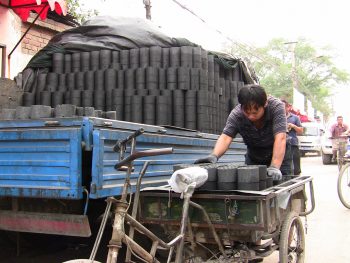
China boasts some of the most creative, diverse and downright ridiculous forms of transportation or 交通工具 (jiāotōng gōngjù) that I have ever seen. While I love crashing in hard sleeper trains, getting lightheaded in the back of tuolaji three wheelers (拖拉机), and taking cheap crosstown taxi rides, I am aware of the large amounts of…
Hohhot, Inner Mongolia Video – Part Two Posted by sasha on Nov 29, 2010
For Part Two of the Golden Week trip, we head out on a three-day tour of the desert and grasslands for some peace and quiet, fun with animals, and the experience of sleeping in a traditional Mongolian yurt. 沙漠 – shā mò desert 骑骆驼 – qí luò tuo ride camels 沙漠排球 – shā mò pái…
Green China, Pt. 7: Carbon Emissions Trading (碳的排放量交易) Posted by Stephen on Nov 28, 2010
During China’s 12th Five-year this summer, heads of state decided upon implementing a Carbon Emissions Trading or 碳的排放量交易 (tàn de pái fàng liáng jiāo yì) program by the year of 2015. This news, following a deadlocked US Energy Reform Plan, means that China is poised to become the industry leader in yet another green industry. Further, China…
History of the PRC – Part Seven Posted by sasha on Nov 24, 2010
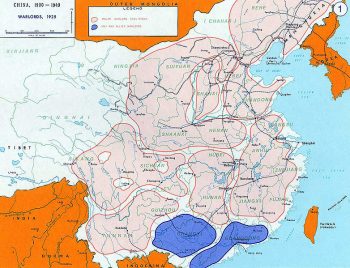
With the passing of Sun Yat-sen, peace talks in Beijing completely fell apart. As for Sun’s party, the KMT, there would of course have to be a changing of the guard. Wang Jingwei would control the left wing of the party, while Hu Hanmin would head the right wing. However, complete control lay with Chiang…
Green China pt. 4: Energy Consumption (能源消耗) Posted by Stephen on Nov 22, 2010
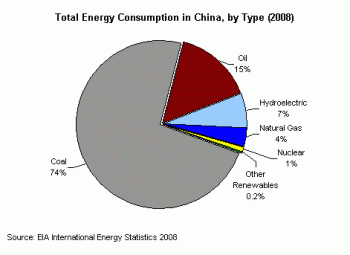
Another area where China leads the green charge is in energy consumption or 能源消耗 (néng yuán xiāo hào). While China’s population or 人口 (rén kǒu) on aggregate accounts for China’s status as the worlds largest producer of green house emissions, per capita China is quite efficient at the use and rationing of domestic energy and for…
Asian Games (亚运会) Posted by sasha on Nov 19, 2010
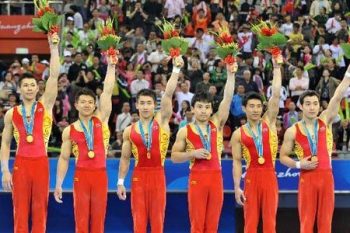
With the Asian Games (亚运会 – Yà yùn huì) going on down south in Guangzhou, I figured a post with the Chinese name for some of the events taking place at the games is appropriate. Keep an eye on the blog for Part Seven of my “History of the PRC” series, as well as Part…