Passover Preparations – The Seder Plate

Posted on 23. Mar, 2013 by in Celebrations and Holidays, Cultural Awareness, Judaism

קערה

Preparing the Seder plate is not just putting the required foods on the plate. It takes advanced preparation and cooking. In order to prepare all the seder foods on time, you’ll need other members of the household to help out. Every item on the Seder plate abounds in meaning and allusion. So I’m going to go through them below and help you see why they are included, how they are prepared and what its roles are in the Seder meal.

The plate is placed on top of the covering of the three matzot and is placed in front of the head of the household. The Seder plate has six items on it, arranged in a special order.

The Shank Bone

The shank bone (a piece of roasted meat) represents the lamb that was the Paschal sacrifice on the eve of the exodus from Egypt. Since the temple was destroyed in the month of Elul, year 3830 (August 70 AD), the Paschal sacrifice is no longer offered. Many communities today have the custom to use a roasted chicken neck or similar.

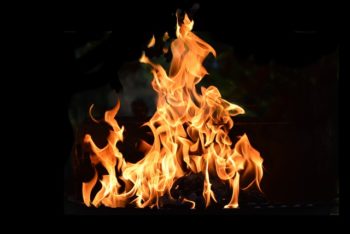
To prepare: Roast the meat on all sides over an open fire on the stove. Some have the custom of removing most of the meat off the bone.

During the Seder: The meat of the shank bone is not eaten. After the meal it is refrigerated, and used a second time on the Seder plate the following night.

Hard boiled egg

The egg represents the offering brought in to the Temple.

To prepare: Boil one egg per Seder plate, and boil a few more in case they are needed during the meal.

During the Seder: One egg is placed on each plate. As soon as the actual meal is about to begin, remove the egg from the Seder plate and use during the meal.

Bitter Herbs

Bitter herbs (maror) are a reminder of the bitterness of the slavery the Jews experienced in Egypt. The most common choices for this are horseradish root, romaine lettuce, and endive.

To prepare: This must be done before the holiday begins. Peel the raw horseradish roots, and rinse them off well. Dry the roots thoroughly since they will be eaten with the matzah later on. Not a single drop of water should be left on the horseradish – this will prevent chametz when later used with the matzah. Grate the horseradish with a hand grater or electric grinder. (Cover the face with a cloth to cover the nose and mouth. Breathing in the strong, bitter odor will cause quite a lot of tearing up and coughing.)

The lettuce or endive leaves must be washed, carefully checked for insects, and again, thoroughly dried. As an alternative, the stalks can be used as they are easier to clean. Put a few of the cleaned dried leaves of romaine lettuce on the Seder plate and then put the horseradish on top.

Role in the Seder: After the recital of most of the haggadah comes the ritual handwashing. Then matzah is eaten, followed by maror, followed in turn by a sandwich of matzah and maror.

The Paste

This is a mixture of apples, nuts and wine to resemble the mortar and brick made by the Jews when they toiled for Pharaoh.

Preparation: Shell walnuts and peel apples and chop finely. Mix together and add a small amount of wine.

Role in the Seder: The morar is dipped in this (then shaken off) before eating.

The Vegetable

This non-bitter vegetable alludes to the backbreaking work of the Jews as slaves.

Preparation: Peel an onion or boiled potato. Cut off a slice and place on Seder plate. Next to the Seder plate, place a small bowl of salted water.

Role in the Seder: After recital of kiddush, the family goes to the sink and washes hands, but without saying the usual blessing. Then the head of the household cuts a small piece of the vegetable, dips it in saltwater, and gives each person at the table a very small piece (less than 17 grams – or ½ ounce) over which they say the appropriate blessing.

Passover Preparations – Choosing the Seder Wine

Posted on 19. Mar, 2013 by in Celebrations and Holidays, Cultural Awareness, Judaism, Torah

Question: What’s the difference between kosher wine and kosher for Passover wine?

Answer: As with anything to be considered kosher, it must be created under a rabbi’s supervision, and only Sabbath-observant Jewish males are allowed to handle the grapes through the entire process.

Because chametz is forbidden at any time during Passover, this also applies to wine. Because wine requires some sort of yeast for fermentation, the Passover prohibition applies to yeast which is a product of one of the following five grains: wheat, barley, oat, spelt, or rye. Any wine saying it’s kosher for Passover wine must be made from a yeast that has been grown on something like grapes, or its sugars. And there should be no preservatives, like potassium sorbate.

Even though you may find wine that says it’s a kosher wine – not all are kosher for Passover. Make sure to look for a “P” next to the kosher symbol or it will say “Kosher for Passover” in both English and/or Hebrew. All Israeli wines are Kosher for Passover.


Small picture: http://kosherfood.about.com
Large picture: http://www.rooftopgourmet.com

Passover Preparations – Baking Matzah

Posted on 17. Mar, 2013 by in Celebrations and Holidays, Cultural Awareness, Food, Judaism, Recipes, Uncategorized

This article is about the traditional, kosher preparation of baking matzah for Passover. I have attached a PDF at the end if you want to make them in a non-kosher way.

Matzah and Passover

כָּשֵׁר – kosher
מַצָּה – matzah
חָמֵץ – chametz (leaven)
סֵדֶר – seder
פֶּסַח – Passover
תְּסִיסָה – fermentation

As we know from an earlier article, חָמֵץ is forbidden during the entire holiday of פֶּסַח . מַצָּה is the bread used during the seder and is made from grain and water בָּצֵק without any fermentation as commanded in Exodus 12:8. The problem is how to make the בָּצֵק without using any kind of leaven, or accidently causing fermentation? This is done by protecting the ingredients from moisture and heat prior to mixing, preparing the dough as fast as you can and baking it at a high temperature.

Ingredients Needed

קֶמַח – flour
שָׁמְוּרָה – shamura
מַיִם – water
     הקש על המים – tap water
     מים חיים – spring water

Before preparations are made, you must be sure the קֶמַח is absolutely dry and has been stored in a cool, dark place. You can purchase such flour (called shemurah flour שָׁמְוּרָה ) from a מַצָּה שָׁמְוּרָה bakery.

The מַיִם for use in the dough must be drawn from a natural spring and settle overnight in a cool, dark, place – but not near the קֶמַח as you'll risk getting it wet, making it unfit for מַצָּה . The vessel in which it is stored should be perfectly clean and כָּשֵׁר for פֶּסַח . Tap water or bottled spring water may not be used .

Kneading and Preparing the Dough

צוֹנְנִים – cold water
מַעֲרוֹךְ – rolling pin
בָּצֵק – dough
לְלָשׁ – knead

Before we begin, we have to be sure the board, מַעֲרוֹךְ , and any other utensils you'll be using are כָּשֵׁר . Everyone who will be handling the בָּצֵק should wash their hands in cold water not only before beginning to work, but also between each batch of בָּצֵק being handled, after which the hands must be dried thoroughly.

The קֶמַח and מַיִם are mixed in a tub or large mixing bowl. Depending on how many people are going to be making מַצָּה , the maximum amount of dough is anywhere from one to three pounds (remember, you have 18 minutes or less to make and bake a batch – so be wise in how much you use at a time). Once the בָּצֵק is made, cut it up into pieces about the size of your palm and start the kneading.

Kneading the בָּצֵק prevents it from rising, so knead them until they are of uniform consistency (perhaps for 60 – 90 seconds) and then rolled out into a pancake shape. While rolloing the matzot with the roling pin, constantly pick them up off the table or board so that the בָּצֵק does not stick to the table. This is important as additional flour cannot be sprinkled on the board.

Roll out the בָּצֵק until it's very thin, and has a diameter of about eight inches. Carry on the מַעֲרוֹךְ to a machine where the מַצָּה is perforated with holes (or you can use a rolling pin with small spikes too). These holes prevent any air bubbles from forming and making the matzah unfit. After this, the בָּצֵק is taken to the oven.

When a batch is in the oven, each workspace and every utensil must be cleaned off with a paper towel or even sandpaper to prevent any trace of מַיִם from producing חָמֵץ with any leftover dough.

Baking

As noted above, matzot are baked at a high temperature – usually 600° to 800° F. It may take three to four hours to get this high, so prepare this in advance. When the matzot are ready for the oven, they are placed on long wooden poles and put in the oven. They are done baking within two to three minutes.

After baking is completed, a small portion is separated, using the same blessing as in baking challah, and this is burnt up completely.

בָּרוּךְ‎ אתָּה יָי‎ אֳלוֹהֵינוּ מֶלֶךְ הָעוֹלָם‎ הַמּצִיא לֶחֶם מִן הָאָרֶץ.
(Blessed are You our God, King of the Universe, who brings forth bread from the earth).

The total time elapsed, from the beginning of the kneading till the matzot are placed in the oven, should never be more than 18 minutes.


Click here to download the PDF for a non-kosher recipe

The Dead Sea

Posted on 12. Mar, 2013 by in tourism, Travel

The Dead Sea (יָם הַ‏‏מֶּ‏‏לַ‏ח) is a large body of hypersaline water bordering Jordan, Israel and the West Bank. Its surface and shores are 423 metres (1,388 ft) below sea level making it the lowest elevation on earth. The Dead Sea is 377 m (1,237 ft) deep, 55 kilometres (34 mi) long and 18 kilometres (11 mi) wide at its widest point. With 33.7% salinity, it is 8.6 times saltier than the ocean. It lies in the Jordan Rift Valley, and its main tributary is the Jordan River. The water from the Sea has a density of 1.240 kg/L, which makes swimming similar to floating.

Why is is “dead”?

It is called the Dead Sea because its salinity prevents the existence of any life forms in the lake. The Dead Sea is not a totally barren, abandoned place, though. The coastline is dotted with many springs, surrounded by wild plant life. The combination of desert and oasies draws many tourists to the area to relax and enjoy themselves.

The Historical Side of the Sea

Besides these natural sites, there are also some well known sites from Israel’s historic past. You can visit the Massada fortress, ancient Ein Gedi and the Qumran cave site (famous for the discovery of the Dead Sea scrolls). While you’re there, check out the monasteries built on the cliff walls! Back in the fourth century, many Christian believers wanted to devote themselves to God and the monks built the monasteries right into the stone faces of the desert cliffs. You can still visit some of the monasteries (still operating at the time of this writing).

Come Here and Feel Good

The Dead Sea has something that nobody else can claim – the world’s lowest health resort. The composition of the salts and minerals in the water make it unique and beneficial for the body. The deposits of black mud provides nourishing minerals, the bromide in the air is also beneficial to the body’s health and well-being.

Besides the mineral content of the water, pollen and other allergens in the atmosphere are very reduced due to the below sea level position. The reduced ultraviolet component of solar radiation, and the higher atmospheric pressure at this great depth are beneficial for persons experiencing reduced respiratory function from diseases such as cystic fibrosis.

Other therapies include:
Climatotherapy – Treatment which exploits local climatic features such as temperature, humidity, sunshine and barometric pressure
Heliotherapy – The biological effects of the sun’s radiation.
Thalassotherapy – Bathing in Dead Sea water.
Psoriasis – Because of being below sea level, the sun’s harmful UV rays are reduced, thus allowing longer periods of sunbathing.
Rhinosinusitis – A saline nasal irrigation of Dead Sea water shows better symptom relief compared to standard hypertonic saline spray.
Osteoarthritis – Dead Sea mud pack therapy temporarily relieves pain caused by osteoarthritis of the knees.

For more information about the healing qualities of the Dead Sea, visit this link: http://www.dead-sea-wonder-of-nature.com

Stay awhile and enjoy

YouTube Preview Image

The western shore (inside Israel’s borders) has organized beaches and bathing areas that provide convenient access to the water. You will also find dozens of hotels, hostels and guest houses, restaurants and shopping centers, and lots of activities ranging from jeep and bicycle tours, to camel tours, rappelling and more).

The Sea may be dead, but life and activity there is alive and well.


Video from Israel Ministry of Tourism

Real World Hebrew – Google Chrome

Posted on 23. Feb, 2013 by in Grammar, Learning Hebrew, Real World

Another feature of this blog is to show you Hebrew as it’s used in the real world through various advertisements, signage, newspapers, etc. This will help you not only get a variety in your studies, but also see the different styles and slang used in daily life. Today we’re going to look at an ad for Google’s Chrome browser.

The text reads:
אם זה חלק מהחיים שלך – If it’s a part of your life
זה חלק מהדפּדפּן שלך – It’s a part of your browser

Breaking it down to the necessary vocabulary words:
אִם (eem) – if
זֶה (zeh) – this/it (masc)
חֵלֶק (khey-lek) – part
חַיִּים (khah-yeem) – life
שֶׁלָךְ (shell-akh) – your (fem)
שֶׁלְךָ (shell-khah) – your (masc)
דַּפְדְּפָן (dahp-deh-fahn) – web browser
מִ (mee) – from, of, than

Painless Grammar

Notice the words מהדפּדפּן and מהחיים? In Hebrew, prefixes and suffixes are added on to each other to create a new meaning from the root word. So the root form דפדף gives the general idea of skimming or leafing (through a book or some reading text). Adding on the appropriate niqqud makes the word דַּפְדְּפָן, which is what you’re doing with a web browser on the Internet – leafing thorugh the virtual pages.

The מה at the beginning is actually two prefixes together. מ is a preposition that means ‘of’ or ‘from’ and ה is the definite article ‘the’. So the word מהחיים translates literally as ‘of the life’. מהדפּדפּן means ‘of the web browser’.


‘Google’, ‘Chrome’ and the Chrome logo is trademarked and copyrighted by Google, Inc