


Archive for the year 2011
Natural Monuments of South Korea Posted by Ginny on Sep 20, 2011
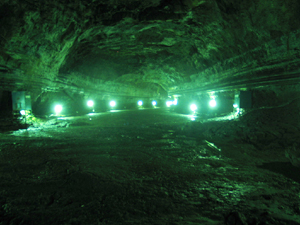
South Korea is a beautiful country with many flora and geological formations. There are several Natural Monuments (천연기념물) of South Korea that are popular among tourists. One of these places is the Natural Habitat of Crinum Lily in Gujwaeup (제주 토끼섬 문주란 자생지). Crinum Lilies are white flowers that bloom from July to September on…
Hanbok Posted by Ginny on Sep 15, 2011
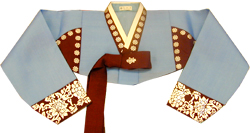
Hanbok (한복) is the name for a type of traditional Korean clothing. In particular the hanbok for ladies has changed over the decades. Take for example the jeogori (저고리), which is the upper garment of the woman’s hanbok that covers the entire length of the arms and the upper body. In the early part of…
Korean Waterfalls Posted by Ginny on Sep 12, 2011
Some people mistakenly believe that all the waterfalls in South Korea are in Jeju Island (제주도), (If you don’t know what I mean, go here: https://blogs.transparent.com/korean/korean-waterfalls) but that’s simply not true. There are waterfalls all over Korea, including one in Donghae City (동해시) of Gangwon Pronvince (강원도) called Ssang Falls (쌍푹포). Ssang Falls is a…
Andong Posted by Ginny on Sep 6, 2011
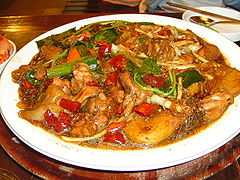
South Korea is rapidly becoming a technologically advanced country with modern cities. A city called Andong (안동) is an exception to the norm. Andong has a reputation for being a center of traditional Korean culture and history. There are many festivals that take place in Andong that celebrate ancient Korean traditions. For example, the Andong…
Korean Festivals in September Posted by Ginny on Sep 3, 2011
It’s still not too late to attend the various festivals that take place in South Korea. The Yangyang Songi Festival (양양송이축제) will begin the 29th of September and will take place in Yangyang County in Gangwon Province (강원도). The Yangyang Songi Festival is a pine mushroom festival that features pine mushroom taste testing booths, pine…
Cute Korean Children’s Song Posted by Ginny on Aug 31, 2011
There is a popular Korean children’s song that describes some of the features and shapes of faces by using various fruits and vegetables. If you look at the song, the song uses the example of a 호박 (hobak) or squash to describe a characteristic of a face. Generally when someone’s face is said to look…
Traditional Korean Mask Dances Posted by Ginny on Aug 30, 2011
There are several Korean mask dances that are considered important intangible cultural properties because they represent Korean culture and history. The Yangju byeolsandae nori (양주별산대놀이) is a mask dance that is Intangible Cultural Property #2. The dance is from the Yangju Region and is known throughout Gyeonggi Province (경기도). Korean mask dances like this one…