


Archive for August, 2010
Centurion Posted by kunthra on Aug 28, 2010
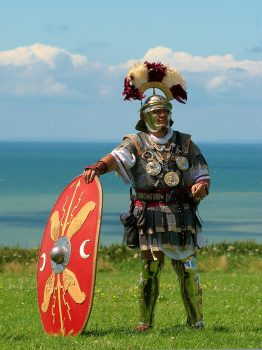
Centurion is the title of a film released this month in the U.S.. The film is a U.K. production and was inspired by the story of the Ninth Legion. Historically speaking, the Ninth Legion was scheduled to march into present day Scotland, but the record of the legion disappeared. The film gives a possible explanation…
Famous Ancient Roman Suicides Posted by kunthra on Aug 25, 2010

In some societies, suicide is considered an act of cowardice, but in ancient Roman society, suicide was one of the means to restore one’s honor and dignity. There are countless examples of notable ancient Roman men and women who choose to die by their own hand, rather than suffer the humiliation of defeat by the…
Third Declension Dative and Ablative Posted by kunthra on Aug 16, 2010
For today’s lesson we’ll do some translation exercises using the dative and ablative of the third declension : 1. Mulierēs ā fonte ad montem ambulant 2. Cūstōdibus fābulam narrō 3. Rēx est in casā cum mīlitibus 4. Rēgī equōs dās 5. In īnsulā estis sine animālibus 6. Mulieribus fontem iterque aedificāmus 7. Anserem numquam portō…
Rome’s Top Generals Posted by kunthra on Aug 10, 2010
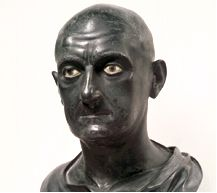
Rome wouldn’t be what it was if it weren’t for its superior generals. Who is on your list of Rome’s top superior generals? Here is my list : Gaius Marius – alright, so didn’t exactly win every battle, but the organization, structure and discipline of the ancient Roman army was no match for many armies-…
The Year of the Five Emperors Posted by kunthra on Aug 7, 2010
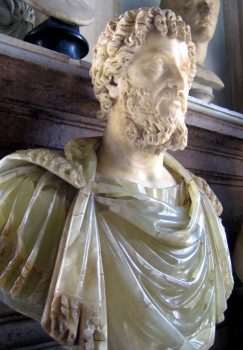
History has shown that anytime you have more than one emperor reigning in succession in one year, that year marks a time of instability in Rome. Believe it or not there was once a time in history called a Year of the Five Emperors. Publius Helvius Pertinax –was emperor for only 86 days. Pertinax’s bodyguards…