


Archive for 'Phrases'
Celebrating International Women’s Day in a different way this year… Posted by Kasia on Mar 8, 2022

Today is International Women’s Day (Międzynarodowy Dzień Kobiet). Usually, it is filled with flowers, chocolate and happy celebration…But recent news from Ukraine changed a lot. Today I look at this day in a slightly different way… In the reality we’ve all found ourselves, today is about the brave women all around the world, but specifically…
Dog commands in Polish Posted by Kasia on Feb 25, 2022

There are quite a lot of dog training commands in different languages. Dog commands in Polish are quite interesting. Often, dogs start their training by learning simple commands, such as “sit” and “stay,” though later on they may be trained in more specific ways, such as how to stay in a crate without whining or how…
Coffee the Polish way! Posted by Kasia on Sep 29, 2021

Are you a morning person or do you like to sleep in? Don’t worry! In Poland, either way, you will be greeted with a nice cup of coffee, any time of the day! Since today is National Coffee Day (Narodowy Dzień Kawy), let’s talk about coffee in Poland ☕️. If you ever ask what is…
Thousands march in LGBTQ parade in Poland Posted by Kasia on Jun 22, 2021
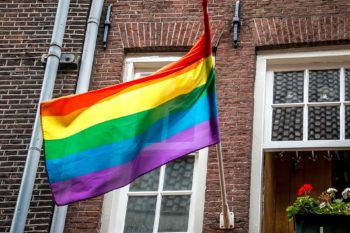
Thousands marched through Warsaw (Warszawa) on Saturday in an “Equality Parade” (Parada Równości) demanding an end to discrimination against the LGBTQ community. It is the largest gay pride parade in central Europe. In a sea of rainbow flags, the symbol of the LGBTQ community, marchers gathered outside the Palace of Culture and Science (Pałac Kultury i…
Popular Polish proverbs about Spring Posted by Kasia on Mar 26, 2021
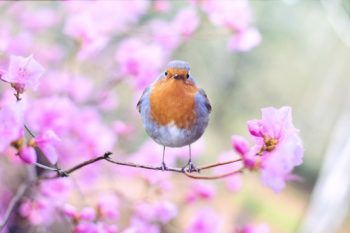
Spring is here! We are ready for sun, warm temperatures and birds singing, right? We might be ready, but weather likes to play tricks on us sometimes… Here are most popular Polish proverbs about Spring, the weather and everything that is happening around this time of the year! Proverbs (przysłowia) about spring is a folk wisdom…
Can you describe in Polish what pandemic has taught you? Posted by Kasia on Jan 29, 2021
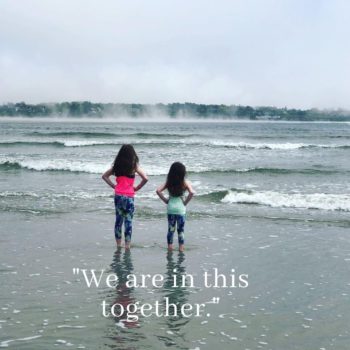
During this past year, the COVID-19 pandemic has turned our lives upside down and changed not just the way we live and work, but also how we think and behave. Every part of the world has been affected, and every aspect of life has been impacted. Perhaps there are some life lessons to take away…
Poles, and not only, love to think about blue almonds! Posted by Kasia on Jun 15, 2020

As pretty much all languages, Polish has its own phrases that are just not that easy to translate into English…And the translation can not always easily convey the funny or sarcastic meaning of the sentence. I’m sure if you grew up in Poland, you have heard something like this (especially as a child): “Zacznij odrabiać…