


Archive by Author
Cute (and “dangerous”) pet names in Spanish Posted by Magda on Feb 13, 2015
San Valentín se acerca, el amor está en el aire… y yo estoy pensando en una de las pelis más románticas que conozco. ¿Recordáis éste diálogo? “-Silvia… -Yes Mickey? -How do you call your loverboy? -Come ‘ere loverboy!! -And if he doesnt answer? -Ohh loverboy! -And if he STILL doesnt answer? -I simply say baby…
“¿A que no hay huevos?” Spanish idioms with the word”huevos”. Posted by Magda on Dec 26, 2014
Hay algo fascinante en el lenguaje: cuanto más sabes, más te sorprende. Esto ocurre sobre todo con el vocabulario, y las expresiones idiomáticas. Una palabra que es una cosa cuando va sola, y cambia completamente de significado al aparecer en una frase hecha, o según el contexto. Hoy quiero compartir con vosotros los distintos usos…
And the Oscar goes to the Spanish… “Living is easy with eyes closed”! Posted by Magda on Dec 17, 2014
“Let me take you down ‘cos I’m going to Strawberry Fields Nothing is real And nothing to get hung about Strawberry Fields forever Living is easy with eyes closed Misunderstanding all you see” ¿Reconocéis esas líneas? Pertenecen a una canción de los Beatles, “Strawberry Fields Forever”. John Lennon la escribió durante el rodaje de “Cómo…
“No es serio este cementerio”, a funny song for All Hallow´s Eve. Posted by Magda on Oct 30, 2014
All Hallows’ Eve is coming, and year after year I try to share with you some of our traditions for this night and the days after it: All Saint’s day (1st November) and the Day of the Dead (2nd November). Ghosts stories and legends are told at night (read “The Spirits´Mountain”, by Gustavo Adolfo Becquer…
How to cook carne membrillo (quince paste) Posted by Magda on Oct 27, 2014
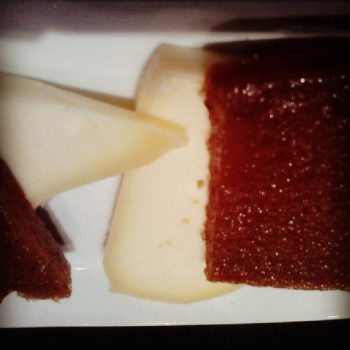
Aunque estamos en el veranillo de las rosas de otoño, la tercera estación del año ya está aquí llena de colores y deliciosas frutas de temporada. Aquellos que hemos tenido la suerte de tener árboles frutales en casa normalmente relacionamos cada estación con un ritual culinario distinto. Yo recuerdo de mi infancia que cada…
Spanish singers: Pablo Alboran´s new hit “Por fin” Posted by Magda on Oct 23, 2014
¿Cuál es vuestro cantante favorito en español? Estoy segura de que si seguís el blog de Transparent Spanish, o soléis sintonizar alguna emisora española por internet, conoceréis a un chico malagueño que estos últimos años se ha hecho muy famoso: Pablo Alborán. Su nuevo disco, Terrain, se lanzará el próximo noviembre, pero el single actual…
The Shadow of the Wind, by Carlos Ruiz Zafón: our suggested reading. Posted by Magda on Oct 17, 2014
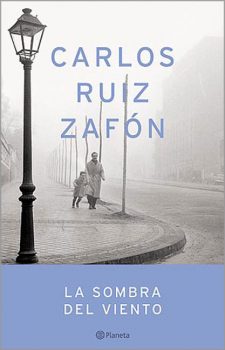
¿Estás buscando algún nuevo libro que leer? ¿Una historia que te atrape y no te deje abandonar el libro hasta que lo termines? ¿Quieres conocer a un autor que construirá un lugar mágico para ti, de la misma forma que Gabriel García Márquez hizo con Macondo? ¿Un rincón lleno de misterio al que siempre desearás…