


Archive for March, 2012
Alfons Åberg Posted by Katja on Mar 29, 2012
Understanding a culture, and ultimately the language I think it is important to be all round aware/educated in different things. As a person who has grown up in Sweden you just know things. Different phases in your life have given you different cultural baggage. On this blog we try to give you as many different…
Religion in Sweden Posted by Stephen Maconi on Mar 28, 2012
Up until the century 1000, the people of Sweden believed in Norse paganism, but the country was then Christianized, forcing everyone to convert to Roman Catholicism. This lasted until the 1500’s, when Protestant Lutharanism took over after what is known as the Protestant Reformation. Lutheranism was then the official religion of Sweden, though foreigners visiting…
10 Swedish words you won’t find in English Posted by jennie on Mar 27, 2012
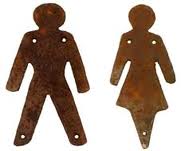
Since I am stuck in bed with a nasty bug today, I will ruthlessly steal this brilliant list from the always equally brilliant page The Local. 10 Swedish words that you won’t find in English (click here for the full story). I have written about this topic before, missing simple words like bakfylleångest (hangover anxiety)…
Swedish Sentence Adverbials Posted by Marcus Cederström on Mar 26, 2012
It’s a super exciting topic. Sentence adverbials. In Swedish, sentence adverbials are those little words or phrases that get thrown into a sentence to They’re those little things that get thrown into a sentence to modify the sentence. They usually describe time, or place, or even the way something is being done. There are a…
Swedish pancakes – Svenska pannkakor Posted by Katja on Mar 22, 2012
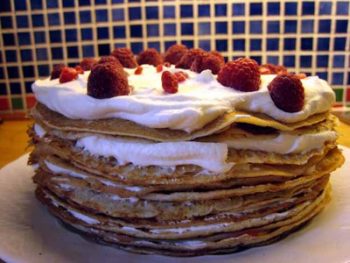
All through the ages the phenomenon of pancakes has existed. They have been called all sorts of different things, but they have been around. The shapes have varied as have the names for them. In Sweden alone, there are plenty of different names to keep the discussion of what is the correct name for a…
A hairy debate Posted by jennie on Mar 20, 2012
Sweden’s entry to the big Eurovision Song Contest is finally chosen and no, it’s not Björn Ranelid. In fact, it seems like the Swedes for once agreed on this year’song, since it broke the all time high voting record. So, everybody’s happy, then? No raging debates in the evening papers and in social media? Well…
Swedish Syntax variations in main clauses Posted by Tibor on Mar 19, 2012
Fundament is the most important part of a sentence, i.e. the word that comes on the first place in a Swedish sentence. On the first place there can be 5 different types of clause elements. 1, Subjekt=Subject 2,Tidsadverbial, platsadverbial, sättsadverbial= Different kind of adverbs 3, Bisats=Subordinate clause 4, Objekt=Object 5, Fågeord=Interrogative words 6, Ingenthing=Nothing Two…