


Archive for December, 2010
Japanese Music of 2010 Posted by Ginny on Dec 31, 2010

2010 was a notable year in Japanese music. In particular it was a big year for Hikaru Utada (宇多田ヒカル,). She held her first major US/UK tour and broke the record of being the artist with the most consecutive number of chart topping albums in Japanese music history. Later in the year, she announced that she…
Japanese Open Air Museums Posted by Ginny on Dec 29, 2010
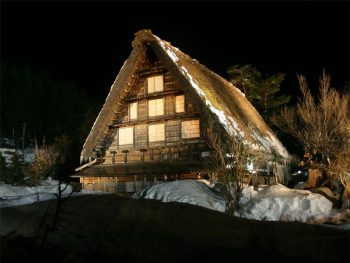
Museums are not all enclosed spaces with objects in them. Some Japanese museums are in the open air. Here are some great Japanese open air museums : TheHida Minzoku Mura (飛騨民俗村) or Hida Folk Village is a museum of traditional Japanese houses. The houses are hundreds of years old and are typical of the type…
Japanese Christmas Songs Posted by Ginny on Dec 25, 2010
I thought it would be good to get in the Christmas spirit by posting some Christmas songs in Japanese. The first one is the Japanese version of “Silent Night” : This one is the Japanese version of “Rudolph the Red Nosed Reindeer” : Lastly, this the Japanese version of “Jingle Bells” :
Japanese Festivals in December Posted by Ginny on Dec 21, 2010
Misogi Matsuri (禊祭り) is a festival where men wear a white loincloth or underwear and purify themselves in a river. The Oshiroi Matsuri (おしろい祭り) is a festival where white paste is smeared over the faces of the townspeople. The white paste is made of rice flour and water and is believed to bring a good…
Under the Big Chestnut Tree Posted by Ginny on Dec 17, 2010
大きな栗の木の下で (ookina kurino kinoshitade) is a popular Japanese children’s song. Here is one version of the song with body motions to accompany the song. 大きな栗の木の下で (ookina kurino kinoshitade) Under the big chestnut tree あなたとわたし (anata to watashi) You and me なかよく遊びましょう (naka yoku asobimashou) Let’s play happily 大きな栗の木の下で (ookina kurino kinoshitade) Under the big chestnut…
Japanese Folk Tales Posted by Ginny on Dec 14, 2010
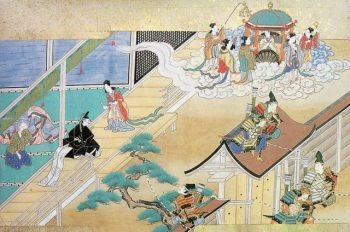
Japanese folk tales are certainly entertaining to listen to, but they provide more than just entertainment. There is always a moral to the story or an exemplary mode of behavior that Japanese children should follow. Kintarō (金太郎) means “Golden Boy” in Japanese. Kintarō is the name of a boy with extraordinary strength. He is considered…
Japanese Street Fashion Posted by Ginny on Dec 10, 2010
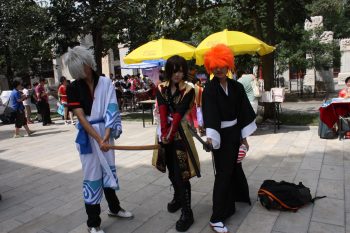
Some people call it Japanese Street Fashion while others call it Japanese Underground Fashion. Whatever you call it, Japanese fashion is influencing the way youths want to express themselves. One unique style of Japanese Street Fashion is called Visual Kei (ヴィジュアル系,). Visual Kei is often associated with J-rock, glam/metal music and musicians. Obviously different bands…