


Archive for 'Spanish Culture'
Spanish Lesson Advanced 5 Expresiones latinas que se usan frecuentemente en español Posted by Laura & Adam on Sep 29, 2010
¡Hola! ¿Qué tal os va todo? En esta clase vamos a ver algunas expresiones latinas que usamos frecuentemente en español. Son expresiones que forman parte de nuestra lengua cotidiana. Vamos a ver lo que significan: Ipso facto: Inmediatamente, ya Tu jefe te dice: “quiero que termines este informe ipso facto” A grosso modo: a grandes…
Los alebrijes Posted by Adir on Sep 28, 2010
Los alebrijes are Mexican folk art sculptures of fantastical animals invented by Pedro Linares López in 1936 in Mexico. They’re made of paper or wood and represent an imaginary animal, combining the form of two or more animals. Their structure is made of wood or carrizo and the outside part is wrapped in papier-maché and…
Los Vejigantes Posted by Adir on Sep 27, 2010
The vejigantes are clown-like characters that can be seen during Carnival time in Puerto Rico. During the festivities of St. James the Apostle (Patron Saint of the city of Loiza), the vejigantes go to the streets to scare people. They usually wear large bright-colored overalls with very large sleeves, which look like bat wings. They…
Sidra asturiana Posted by Magda on Sep 24, 2010
Llega el otoño, y con él se lleva a cabo en Asturias la elaboración de uno de sus productos más característicos: la sidra. Una vez recogidas las manzanas, y cuidado, porque no todas valen, se trasladan al lagar, o llagar, donde comenzará el proceso. Es en estos edificios donde se trituran las manzanas, ya que…
Reviewing Irregular Past forms, With Music! Posted by Adir on Sep 21, 2010
Yeah, you know how much I love Latin music and I try to do something with songs in my classes all the time. Spanish irregular past verbs forms are sometimes hard to memorize and this song by Thalia can help you with the following verbs: hacer, querer, estar, tener and poder. Learn the song and…
The Bogeyman, en español Posted by Adir on Sep 20, 2010
When we were kids we used to believe in the Bogeman, that legendary monster that comes to eat children who don’t want to go to sleep or who are crying for no reason. Here are some very common “lullabies” containing the bogeyman in Spanish. Duerme niño, duerme, (Sleep, kid, sleep) duerme, que viene el coco…
Bandoleros Posted by Magda on Sep 16, 2010
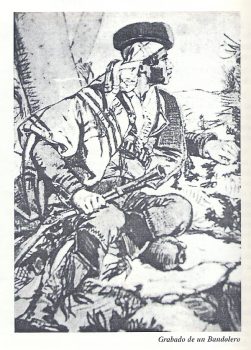
Historic events often facilitate the formation of social groups and characters that turn into either heroes or villains. When these become important, art, literature, and even music, all contribute to their immortality. This is what happened in Spain with the figure of the bandit. Just like in many other countries, bandits, criminals, and smugglers have…