


Archive for January, 2011
Enya Sings in Latin! Posted by kunthra on Jan 31, 2011
The singer Enya has sung a few songs in Latin. One of her Latin songs is called “Cursum Perficio”. Here is what it sounds like: The lyrics and translations are here: http://www.pathname.com/enya/watermark.html#cursum-perficio This next song is called “Tempus Vernum”. Translations here: http://www.pathname.com/enya/adwr.html#tempus-vernum
Latin Used in Movies Posted by kunthra on Jan 31, 2011
Latin can be found anywhere, especially in the movies! Hearing and being able to recognize a Latin phrase makes all those years of learning Latin worth it. Don’t you think? The first clip is funny and comes from the movie Life of Brian. In this clip Brian gets ‘schooled’ in Latin grammar! This next clip…
Latin Dictionaries Posted by kunthra on Jan 28, 2011
Every Latin student should have at least one solid Latin dictionary. If you’re wondering what kind of Latin dictionary to get, maybe I can help you! Cassel’s Latin Dictionary by D.P. Simpson is a good dictionary for intermediate Latin learners. What’s good about this dictionary is that the pronunciation and origin of the word is…
Caligula Posted by kunthra on Jan 25, 2011
On January 24th, 41 A.D., Emperor Caligula was assassinated by the Praetorian Guard. Emperor Caligula’s death ended a reign of terror. Sources have labeled the Emperor as a tyrant who spent money on lavish dwellings and banquets. The reserves from the royal treasury were nearly gone, so Emperor Caligula taxed and fined individuals with large…
Ancient Roman Virtues Posted by kunthra on Jan 21, 2011
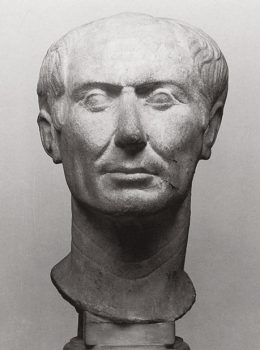
There were certain virtues that the Ancient Romans cherished and encouraged among male citizens. One of these virtues was severitas or sternness. Respectable Ancient Roman citizens were expected to display a sense of temperantia or self control. A famous Ancient Roman man known to exhibit this certain quality was Cato the Elder. Cato the Elder…
Ancient Roman Sculptures Posted by kunthra on Jan 18, 2011
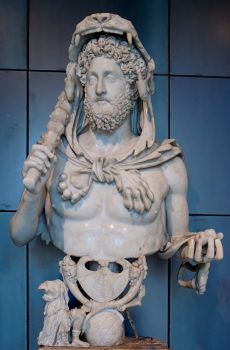
We have lots of sculptures that were created in the Ancient Roman period. Very few of them however, were found in perfect condition. Also, Ancient Roman sculpture tended to be copies of Ancient Greek sculpture, and in this way Ancient Roman sculpture is hardly original. There are slight differences between Ancient Roman sculpture and Ancient…
Slavery in Ancient Rome Posted by kunthra on Jan 15, 2011
The Ancient Romans were recognized as an advanced people with a superior civilization. However as much as we admire the Ancient Romans, we can’t deny the fact that the Ancient Romans practiced the detestable institution of slavery. The Ancient Romans always had a steady supply of slaves from the nations that they had conquered. There…