


Archive for the year 2010
Middle Eastern Food: Fuul Posted by aziza on Jun 25, 2010
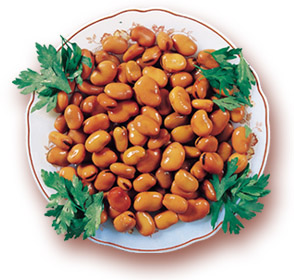
Everyone who lives or lived in the Middle East before, particularly in Egypt, knows about fuul (فول). It is a very popular dish made of fava beans and various spices, and it is served mainly for breakfast. It is very easy to obtain if you live in the Middle East because almost all neighbourhoods will…
Once Upon a World Cup in Lebanon Posted by Transparent Language on Jun 24, 2010
A personal reflection on my very first World Cup in Lebanon
World Cup Flavors Posted by Transparent Language on Jun 23, 2010
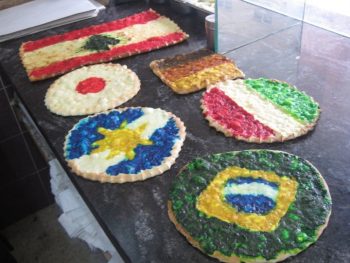
Lebanese pies made to resemble flags of countries competing in the 2010 World Cup in South Africa.
More opposites Posted by aziza on Jun 21, 2010
In this post, I present more opposites in response to a request from one of the readers. These opposites have to do with describing people, how they look or feel, for example: أنا متفائل. لماذا أنت متشائم؟ “I am optimistic! Why are you so pessimistic?” كنت متعبة من الرحلة ولكني الآن مستريحة. “I was tired…
World Cup 2010 Posted by aziza on Jun 16, 2010
Football (كرة القدم) is the most popular sport in the Arab world, and it is the passion of the majority of Arab young people, especially young men. I am not a big fan of football, may be because I am neither young nor man, but I still follow the news of the championship. World Cup…
Two varieties of Standard Arabic Posted by aziza on Jun 15, 2010
In my previous post, I wrote about the different varieties and levels of colloquial Arabic (العامية). It is worth mentioning at this point that there are two varieties of Standard Arabic (الفصحى) as well. The first variety is called Classical Arabic (فصحي التراث). This is the traditional variety of Arabic that exists in classical books…
Colloquials of Arabic Posted by aziza on Jun 13, 2010
In one of my earliest posts I discussed the different varieties of Arabic and explained that there are two main varieties Standard Arabic (فصحى), i.e. the written variety which is sometimes spoken in reading the news or religious speeches, etc; and colloquial Arabic (عامية) which is the spoken dialect. In this post, I discuss colloquial…