


Archive for 'Culture'
Calligraphy (书画) Posted by Stephen on Sep 28, 2011
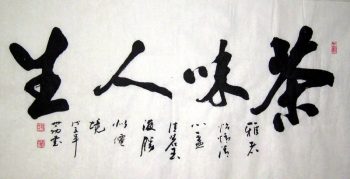
Chinese calligraphy or 书画 (shū huà) stands as a testament to evolution of the Chinese written language. Learning it takes years of practice, a steady hand, and an intense focus to detail that few can master. Chinese calligraphy is both extremely fluid and extremely structured. A missed angle, a frayed brush tip or even a…
Wǔ Shù (武术) Posted by Stephen on Sep 26, 2011
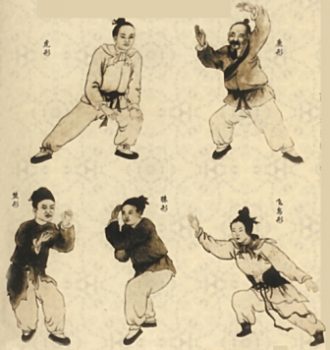
Kung fu is a modern day phenomenon that is more of a culture than the actual practice of Chinese martial arts. Wushu or 武术 (wǔ shù) on the other hand, is a broader term that refers to the many schools (門, mén), families (家, jiā) and sects (派, pài) of Chinese fighting. Much like 功夫, 武术 translates…
Enter Kung Fu (功夫) Posted by Stephen on Sep 25, 2011
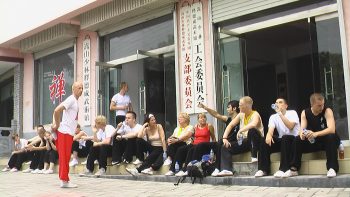
If you are like me, you love kung fu–in all its glory. No matter if it’s a Bruce Lee flick, a kickboxing match or if you’re just practicing some taichi (太极拳 pronounced: tài jí quán) in the back yard–kung fu kicks a$*. The hits, the flips, and who can forget the fumanchus? It’s the art of…
For Whom the Bells Toll: BianZhong (编钟) Posted by Stephen on Sep 22, 2011
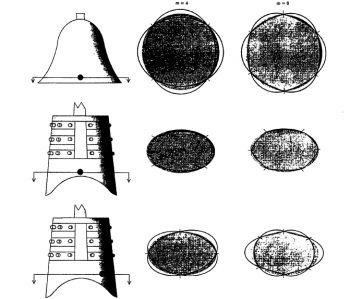
Before the days of zithers, silk-strung bows and reed instruments, making Chinese traditional music was both a simple and grandiose affair. Limited by the tools and resources available back some three millennium ago, it was quite difficult to create instruments with enough precision to replicate specific melodies and notes on an individual scale. Percussion ruled…
Yes? No? Maybe so. Posted by Stephen on Sep 15, 2011
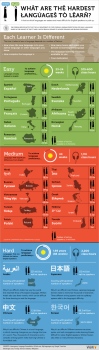
Most people learning Chinese have exclaimed that “it’s like learning two, if not three new languages all at once”. While it may not be as difficult as learning Chinese, Japanese and Korean at the same time, there is some truth in this. Let’s take the process of learning beginning Chinese. First, before even looking upon…
Chinese Bamboo Flute (笛子) Posted by Stephen on Sep 13, 2011
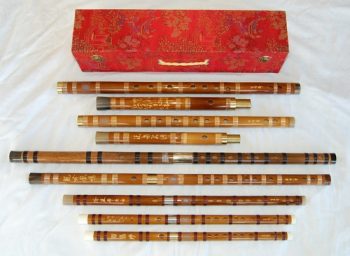
The Chinese bamboo flute or 笛子 (dízi) is the most popular of the Chinese flutes and woodwind instruments. The versatility and range of the instrument, coupled with the portability and price, makes the dizi easily accessible and useful across many genres of Chinese music. For aspiring musicians, it’s a more refined version of the western…
Chinese Traditional Drumming (传统鼓乐) Posted by Stephen on Sep 12, 2011
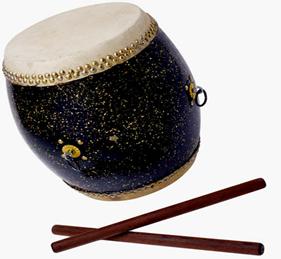
Percussion is the oldest form of non-vocal music, and as a result, reflects many of the social and historical peculiarities that evolve throughout a culture. In China, traditional drumming is associated with pomp, circumstance and jubilation. It is a hallmark of prosperity and celebration, uniting people through collective rhythm and tempo. As China continues to…