


Archive for 'English Language'
Birds of a Feather Flock Together Posted by Gabriele on Feb 26, 2012
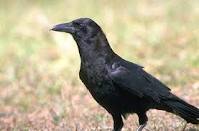
The phrase ‘birds of a feather flock together’ is an expression, which generally means: people with similar tastes and interests stick together or form groups. The phrase often stands on its own, is used as a response to something someone has said to you, or it is used to simply make an observation. Here are…
I.E. Versus E.G. Posted by heather on Feb 25, 2012

Who knew two little letters could cause so much confusion? Yet, the mere presence of e.g. or i.e. is scary enough to make some people’s legs start to shake. I.e. and e.g. are both abbreviations for Latin terms. I.e. stands for id est and means “that is.” E.g. stands for exempli gratia, which means roughly…
Job Suffixes and Uncommon Professions Posted by Gabriele on Feb 21, 2012
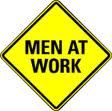
Most beginning English classes have a lesson on vocabulary related to jobs and professions. Usually these lessons cover jobs like: baker, teacher, and lawyer. One piece of grammatical information people often learn early on about profession title words in English is that they often end in the suffix –er. This suffix is commonly used to…
What is an –ology? Posted by Gabriele on Feb 20, 2012
Yesterday I discussed the suffix –ism and a number of different nouns that end with this suffix. A similar, but not identical, suffix is –ology. So, what is an –ology? The suffix –ology is added to a noun to denote that this is a subject of study or a branch of knowledge. Most words that…
What is an –ism? Posted by Gabriele on Feb 19, 2012
–ism is a suffix added to the end of a word to indicate that the word represents a specific practice, system, or philosophy. Often these practices, systems, or philosophies are political ideologies or artistic movements. Using –ism at the end of a word also suggests the word is related to a belief (or system of…
It’s or Its? Posted by heather on Feb 18, 2012
If you spend a decent amount of time on Facebook, then you may have seen some of the posts about grammar that tend to make the rounds. Often these posts are sentences that highlight a regularly misused or misunderstood word, punctuation mark or grammar rule. For example, “Let’s eat Grandpa! vs Let’s eat, Grandpa! (Commas, they save…
Statements and Questions Posted by heather on Feb 11, 2012
Statements can be changed into questions. When we convert a statement into a question, we have to make some changes. One way of doing this is to change the word order by putting the verb at the beginning of the sentence and then adding a question mark at the end, like this: “He is interested…