


Archive for 'English Vocabulary'
Crossing Paths with a Pigeon Posted by heather on Mar 3, 2012

This week I am in the United Kingdom for a small trip. Today I had a meeting in central London and took the opportunity after the meeting to do a bit of shopping and wandering around with a friend. When we were done, we headed back to the station to catch our train back home…
Bored vs. Boring Posted by Gabriele on Mar 1, 2012
A very common error I often hear ESL speakers commit is the misuse of the words “bored” and “boring.” These two words are homophones. Unfortunately, when you misuse or interchange one of these words for the other there is a big difference in meaning! When you say someone or something is “boring” you are saying…
Comprehension Practice: Being a Member of a Club Posted by heather on Feb 29, 2012

Yesterday evening I attended a meeting of a photography club that I am a member of. I thought it would be a good example to use for practising your English comprehension (the action or capability of understanding something), so I have included a mini-story about the evening with some questions at the end. I have…
Gibberish and Gobbledygook Posted by Gabriele on Feb 27, 2012
Gibberish is a generic* term in English for speech that sounds like actual English words or language, but actually are not words and are just groups of sounds that have no real meaning. Gobbledygook is a term similar to gibberish, but it is used to explain meaningless text or written language. The best thing about…
Birds of a Feather Flock Together Posted by Gabriele on Feb 26, 2012

The phrase ‘birds of a feather flock together’ is an expression, which generally means: people with similar tastes and interests stick together or form groups. The phrase often stands on its own, is used as a response to something someone has said to you, or it is used to simply make an observation. Here are…
Body Parts and Their Verbs Posted by Gabriele on Feb 24, 2012
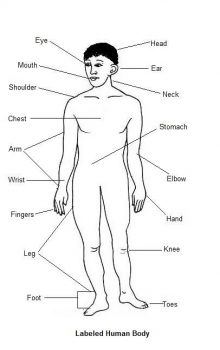
Today I am going to present a quick review of the vocabulary related to different parts of the body as well as present some of the verbs you might use to describe the actions of these body parts. Head: to shake; to nod (Shake your head from side to side.) (I need you all to…
Job Suffixes and Uncommon Professions Posted by Gabriele on Feb 21, 2012

Most beginning English classes have a lesson on vocabulary related to jobs and professions. Usually these lessons cover jobs like: baker, teacher, and lawyer. One piece of grammatical information people often learn early on about profession title words in English is that they often end in the suffix –er. This suffix is commonly used to…