


German Vowels Posted by Transparent Language on Apr 23, 2009 in Language
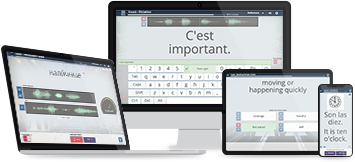
Keep learning German with us!
Build vocabulary, practice pronunciation, and more with Transparent Language Online. Available anytime, anywhere, on any device.
Share this:


About the Author: Transparent Language
Transparent Language is a leading provider of best-practice language learning software for consumers, government agencies, educational institutions, and businesses. We want everyone to love learning language as much as we do, so we provide a large offering of free resources and social media communities to help you do just that!
Comments:
Marita:
I like your blog – very useful!!
Thanks!!