


Archive by Author
La Caffettiera Napoletana Posted by Serena on Oct 19, 2011
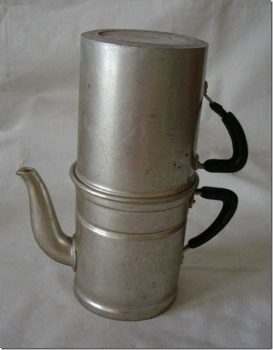
The other day my friend Annalisa, who is in the middle of moving house, opened one of her packing boxes and found my dear old caffettiera napoletana that I had lent to her sometime ago. La caffettiera napoletana is not very common anymore in Italian households, but until the Fifties it used to be the…
La Polenta Posted by Serena on Oct 17, 2011
La polenta (also known as polenda or pulenda) is an ancient dish made from cereal flour which is the traditional staple diet of the contadino (peasant farmer) especially in the northern Italian regions of Veneto, Lombardia, Trentino, and Friuli-Venezia Giulia. The name polenta comes from the Latin word ‘puls’, a type of polenta di farina…
Una Visita dal Dentista Posted by Serena on Oct 14, 2011
O.K. I know you all like to read my blogs about our wonderful landscapes, delicious food, and deeply rooted traditions, but sometimes we have to deal with some of the less pleasant realities of life. What happens, for example, if you’re on holiday in Italy and you have mal di denti? = tooth ache? Don’t…
La Leggenda del Ponte del Diavolo Posted by Serena on Oct 12, 2011
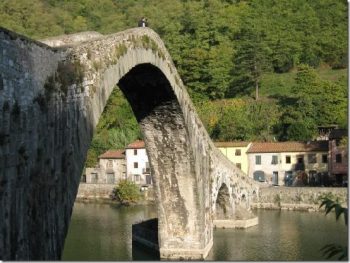
Travelling north from Lucca along the winding road that follows the river Serchio upstream into the heart of the Garfagnana region, one of the most notable landmarks that you encounter is il Ponte del Diavolo (the Devil’s Bridge) at Borgo a Mozzano. Four beautifully proportioned arches spanning the river, each one a different size, frame…
Censimento 2011 Posted by Serena on Oct 10, 2011
About a month ago we opened the mail box to find an envelope as thick as a brick containing il censimento generale 2011 (the 2011 national census). This is the fifteenth national census, the first taking place in 1861, the year of Italy’s unification. Since then it has been repeated every 10 years, with the…
I Colori Liguri – by Geoff Posted by Serena on Oct 7, 2011
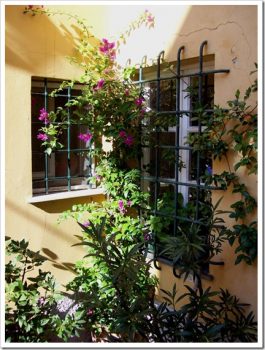
In questi giorni c’è mia sorella Viv in vacanza qui da noi. Siccome quest’anno l’estate sembra non voler finire e fa ancora bel tempo, ieri abbiamo deciso di fare un salto giù al mare. Abbiamo il nostro posto secreto, una bellisima baia tranquilla, nascosta fra scogliere e pinete. Mi dispiace, ma non vi rivelo il…
The Modal Verbs Volere, Dovere, and Potere Posted by Serena on Oct 5, 2011
The passato prossimo, as we saw in the last blog, makes use of the auxiliary verbs essere = to be, and avere = to have, in order to express an event that happened in the past, e.g.: sono andato/a = I went, ho mangiato = I ate, siamo venuti/e = we came, abbiamo visto =…