


Archive for 'Culture'
Polish Automobile and its history Posted by Kasia on Jun 20, 2011
The first gasoline powered automobile (samochód) was built by Karl Benz of Germany in 1885, and the American Henry Ford introduced mass production of the motor car to the world. What about Poland’s involvement in the auto industry? In the early years of the automobile, Poland was still occupied by the three partitioning powers. Poles…
Rękawka Festival in Kraków Posted by Kasia on Jun 17, 2011
Rękawka (or actually “Rękaw” ) means sleeve. The Rękawka or “Sleeve” Festival is a tradition that has been celebrated in Kraków, Poland, for centuries. It always takes place after Easter, at the foot of Krak`s Mound, which is one of four artifical mounds in Kraków. Krak`s Mound, which is the most ancient of all, is situated in…
Polish cemetery Posted by Kasia on Jun 14, 2011
When I moved to USA I noticed a huge difference between cemeteries in Poland and here… Polish cemeteries (polskie cmentarze) are unique (wyjątkowe). I did not see such a rich variety of graves’ styles anywhere else in the world. This is partly due to the fact that Poles are Roman Catholic. For Roman Catholics the…
Names of the months and their meaning Posted by Kasia on Jun 10, 2011
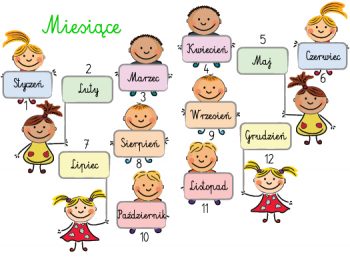
We already talked about days of the week and their meaning (https://blogs.transparent.com/polish/days-of-the-week-and-their-meaning/), so now it is times for months! The names of Polish months are unique in the way that Poland did not adopt Roman names – like many other countries in Europe (France, Germany, Russia). Original, non-Latin names for the months of the year…
Boże Ciało – Corpus Christi Posted by Kasia on Jun 6, 2011
The prominent church feast of the Eucharist was established in 1246 and first celebrated in Belgium. It was introduced to Poland in 1320 by the Bishop of Cracow Nanker. It was always celebrated on Thursday, the eleventh day after the Descent of the Holy Spirit, between May 21st and June 23rd. In smaller locations virtually…
Days of the week and their meaning Posted by Kasia on Jun 3, 2011
The origin of the names of the days of the week in Polish calendar is different than in the English calendar. The names of the week in Polish calendar are Slavic and they either signify the position of the day (its numeral value) in the calendar – for instance the fourth day (in Polish: czwarty)…
Who developed early television? Posted by Kasia on May 30, 2011
Modern television was not so much a single invention by a single person, but a long process of interdependent discoveries. Many scientists from different countries and backgrounds contributed to its development. Among them were Poles. Paul Gottlieb Nipkow (1860-1940) is usually called a German inventor. But more detailed sources identify him as a Kaszubian Pole…