


Polish Aviation Museum Posted by Kasia on Jun 16, 2011
The Polish Aviation Museum (Muzeum Lotnictwa Polskiego) may not be one museum that every tourist wants to go to, but if you like aviation history and old airplanes, it’s worth a visit. It is in a suburb of Kraków at a historic airfield about 7 km (4.3 miles) east of the Old Town. The museum…
Biskupin Posted by Kasia on Jun 15, 2011
Biskupin is the most famous archeological site in Poland and one of the best sites in Europe. The site was reconstructed and serves as a life-size model of Iron Age fortified settlement. The site was probably established more than 700 BC (over 2700 years ago), in the same time when Roman empire was founded. It…
Polish cemetery Posted by Kasia on Jun 14, 2011
When I moved to USA I noticed a huge difference between cemeteries in Poland and here… Polish cemeteries (polskie cmentarze) are unique (wyjątkowe). I did not see such a rich variety of graves’ styles anywhere else in the world. This is partly due to the fact that Poles are Roman Catholic. For Roman Catholics the…
Stary niedźwiedź mocno śpi… Posted by Kasia on Jun 13, 2011
Being a mom I spend a lot of time singing to my daughter. I remember different Polish songs and games when I was little… Here is one play which I remember I recommended to my friends asking me about Polish plays for children and for other people and they found it wonderful to use. It…
Names of the months and their meaning Posted by Kasia on Jun 10, 2011
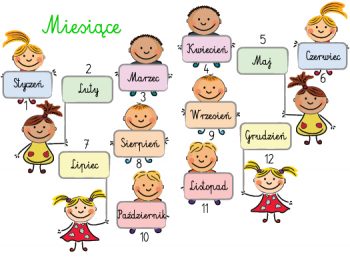
We already talked about days of the week and their meaning (https://blogs.transparent.com/polish/days-of-the-week-and-their-meaning/), so now it is times for months! The names of Polish months are unique in the way that Poland did not adopt Roman names – like many other countries in Europe (France, Germany, Russia). Original, non-Latin names for the months of the year…
Boże Ciało – Corpus Christi Posted by Kasia on Jun 6, 2011
The prominent church feast of the Eucharist was established in 1246 and first celebrated in Belgium. It was introduced to Poland in 1320 by the Bishop of Cracow Nanker. It was always celebrated on Thursday, the eleventh day after the Descent of the Holy Spirit, between May 21st and June 23rd. In smaller locations virtually…
Days of the week and their meaning Posted by Kasia on Jun 3, 2011
The origin of the names of the days of the week in Polish calendar is different than in the English calendar. The names of the week in Polish calendar are Slavic and they either signify the position of the day (its numeral value) in the calendar – for instance the fourth day (in Polish: czwarty)…