


Santa Con Posted by sasha on Dec 25, 2010
For the past three years, Beijing has taken part in the worldwide Santa Con celebration around Christmas time. A huge group of Santas join together to sing Christmas carols and spread holiday cheer around the city. This year, we started the party in Wu Dao Kou (五道口), then rode the subway to Tiananmen Square (天安门光程)…
Axioms and Proverbs (成语) Posted by Stephen on Dec 22, 2010
Here are some very…lets say…unique Chinese proverbs or 成语 (chéng yǔ). See if you can figure them out before you read the English transliteration/translation: 熊瞎子摘苞米,摘一个丢一个 pinyin: xióng xiā zi zhāi bāo mǐ, zhāi yí gè diū yí gè variant: 狗熊掰苞米 (pinyin: gǒu xióng ba bāo mǐ) Literally: Blind bear picks corn, picks one and drops…
Chinglish Posted by Stephen on Dec 22, 2010
In one hundred years from now, what language will we be speaking? Will Chinese prevail as the global dominant language or will English continue its stranglehold on business, culture and academia? Will Chinese and English bridge the gap between two very different languages or will they continue on their separate ways? Anyone that’s been to…
History of the PRC – Part Eleven Posted by sasha on Dec 20, 2010
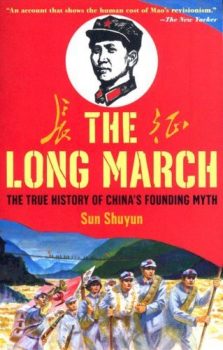
In October 1934, Mao and the CCP began their retreat from southern China up north, in what would come to be known as the Long March (长征 – cháng zhēng). This was not just one long march, as the English name would suggest, but actually a year long process in which the Red Army marched…
The Fragrant Hills (香山) Posted by sasha on Dec 18, 2010
The northwest corner of Beijing is home to the beautiful Fragrant Hills, or 香山. It’s a great place to visit in the fall. That is, of course, if you can deal with the throngs of Chinese tour groups who make it the most crowded place in all of Beijing on the weekends. Forget taking the…
History of the PRC – Part Ten Posted by sasha on Dec 12, 2010
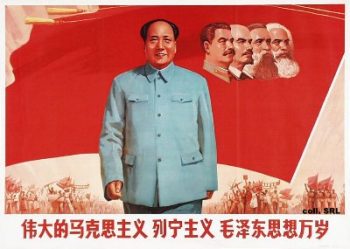
For Part Ten of this history lesson, we’re going to divert from the story a bit to focus on an especially important character in this saga – Mao Zedong (毛泽东 – Máo zé dōng). These days, you still see the Chairman’s face just about everywhere you go in China. From massive statues of the man…
History of the PRC – Part Nine Posted by sasha on Dec 6, 2010
With China “unified” under Chiang’s rule and the capital relocated, the Nanjing decade (南京十年 – Nán jīng shí nián) commenced. The Nanjing government quickly received international recognition as the legitimate leader of China, and the Nationalists set about following the policies of their former leader – Sun Yat-sen. As stage one (military unification) had already…