


Archive by Author
Piove di Ada Negri Posted by Serena on Nov 27, 2012

Poet and writer, Ada Negri was born in Lodi (Lombardia) in 1870. Her father, a coachman, died when she was only one year old, and her mother worked as a weaver in a factory. Ada recounts in her autobiography “Stella Mattutina” (Morning Star), published in 1921, how she spent many years of her lonely childhood…
Non c’è nessuno Posted by Serena on Nov 23, 2012
Non, meaning ‘not’, or its abbreviation n’t, e.g. didn’t, won’t, can’t, etc. is a negative adverb used to negate or change the meaning of the verb, adverb, adjective or pronoun which it precedes. For example: non vengo alla festa = I won’t come to the party, or, I’m not coming to the party come stai?…
Il Gerundio–Part 2 Posted by Serena on Nov 16, 2012
Last week we looked at the most common uses of Il Gerundio (the gerund) in Italian. Today we are going to look at cases in which the gerund is used in English but not in Italian. In Italian, we do not use the gerund: 1. After another verb In this case we use the infinitive whereas…
Il Piede Della Mummia Posted by Serena on Nov 15, 2012
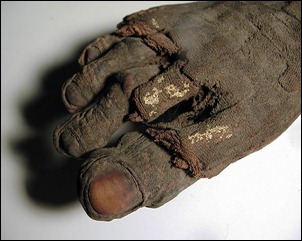
Tanto tempo fa, quando ero una neo-laureata in Egittologia, lavorai per un paio di stagioni al Museo Archeologico di Firenze. Il mio compito consisteva nel catalogare svariati reperti, come vasi, amuleti, gioielli, e così via, conservati nei magazzini della sezione egizia del museo. Per ogni oggetto dovevo misurarne l’altezza, la larghezza e la profondità massima…
Il Gerundio Posted by Serena on Nov 9, 2012
Il gerundio (the gerund) refers to the use of a verb in its –ing form. For example ‘I am writing’, I was thinking, he is talking, etc. In Italian il gerundio (the gerund) is characterised by the following endings: Verbs ending in –are = ando e.g. mangiando (eating) from the verb mangiare (to eat) Verbs…
Facciamo le operazioni in Italiano – Let’s do some sums in Italian Posted by Serena on Oct 29, 2012

Last week, Transparent Language published a blog called Italian Numbers 1-20 Today I’m going to follow that up by looking at what we call le quattro operazioni (the four operations): addition, subtraction, multiplication and division. Here are a few simple examples. l’addizione (addition): due più due fa quattro (two plus two equals/makes four) quindici più tre…
Alla Sera di Ugo Foscolo Posted by Serena on Oct 24, 2012
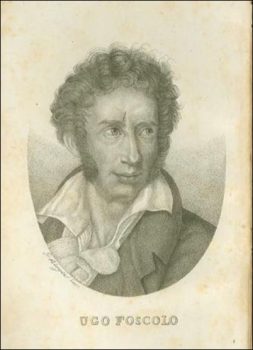
Ugo Foscolo, Italian poet, writer, and essayist, was born in 1778 on the Greek island of Zante (Zakynthos), which at that time was part of the Venetian republic. Following his father’s death in 1788, he moved to Venice with his mother and brothers, leaving Zante for ever. Besides being a poet and writer, Foscolo was…