


Archive for 'Italian Language'
Let me give you a hand Posted by Geoff on Aug 20, 2013

Mano = hand, like occhio = eye, which we explored in a previous blog, is another word whose roots can be found in a range of vocabulary and expressions which I’ll cover in this blog. But first, let’s have a look at the hand itself. The first thing to note is that la mano is…
Poteva Andare Peggio Posted by Serena on Aug 16, 2013
Un paio di mesi fa nella cassetta delle lettere di una nostra amica inglese che ha una casa di vacanza da queste parti avevo trovato una lettera inviata da Equitalia. Malgrado il bel nome, ricevere una lettera da Equitalia è sempre un cattivo segno, perché è l’agenzia di riscossione delle tasse e multe. Infatti quando…
Occhio! Posted by Geoff on Aug 13, 2013
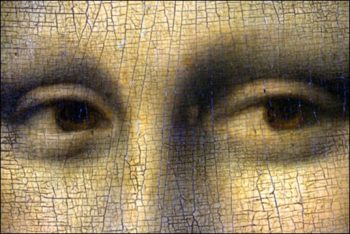
The Roman philosopher Cicerone (Cicero) once said: "Ut imago est animi voltus sic indices oculi" ("As the face is the image of soul so the eyes are its mirror"). Above: Sharbat Gula by Steve McCurry We have many interesting expressions in Italian that derive from the word occhio (eye), but let’s begin with the…
How Embarrassing! Posted by Serena on Aug 2, 2013

When you speak a foreign language, it doesn’t matter how well you know it, the possibility of embarrassing yourself is always waiting for you round the corner, especially when you are faced with sounds that are not familiar to your own language. For Italian people the worst possible sound to pronounce in English is, probably…
Archeologi dell’aria Posted by Geoff on Jul 29, 2013
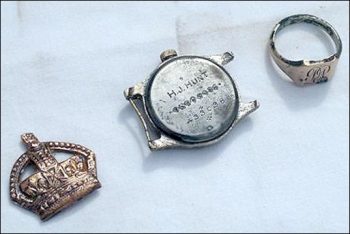
I’ve always had an interest in the history of aviation and aviation archaeology, so I was particularly fascinated when I found a news item from 2011 about the recovery of a wrecked A-20 bomber and its crew, shot down by German anti-aircraft fire just days before the end of WWII in Italy. Here is an…
So, does it make sense yet? Using the Verb Avere Posted by Serena on Jul 26, 2013
In our last blog we had a look at the verb avere (usually translated as ‘to have’) when it takes on other meanings, such as in avere senso (to make sense) or avere sonno (to be sleepy). Let’s continue the theme with some more examples of both simple and complex conjugations. avere senso (to make…
It doesn’t make sense but it has sense … doesn’t it? Posted by Serena on Jul 22, 2013
It’s very easy to get caught out by the verbs avere (to have) and fare (to do / to make), as they both have a wide variety of uses beyond their usual literal translation. Take the expression ‘to make sense’ for example. If we translate this literally into Italian we get fare senso which has…