


Archive for the year 2010
Expressing Events in the Future Posted by Ginny on Jun 11, 2010
To express probability, you can use the construction ~(으)ㄹ 거예요 : 다음 주에 시험이 있을 거예요 = Next week, there will probably be a test. (다음 = next. 주 = week. 에 = particle. 시험 = test. 이 = particle. 있을 거예요 = will probably be) The construction ~(으)ㄹ 거예요 doesn’t just express probability, it…
Korean Princes and Kings Posted by Ginny on Jun 8, 2010
Korean history is long and interesting, especially when it comes to the lives of the Korean princes and kings. Here are some of the more famous Korean princes and kings. Sejong the Great (세종대왕) is only one of the few Korean kings that have the distinction of being called “great”. He created the Korean writing…
Gisaeng Posted by Ginny on Jun 5, 2010
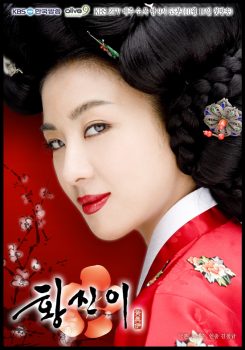
Where did traditional Korean dances, music and poetry come from? A lot of traditional Korean culture that we appreciate and enjoy today can be traced to the gisaeng (기생), also called ginyeo (기녀). The hanja (한자) or Chinese Korean characters for 기생 consist of 妓 which means, female entertainer and 生, which means life. Who…
Together, With in Korean Posted by Ginny on May 26, 2010
The word “with” can be expressed with 랑 : 친구랑 점심 먹었어요 = I ate lunch with a friend (친구 = friend. 랑 = with. 점심 = lunch. 먹었어요 = ate) However 랑 is used only after vowels. 이랑 is used after consonants : 제범이랑 도서관에서 공부했어요 = I studied in the library with Jaebum…
Our YouTube Winner: Rafiqahsari (Gyeongbok Palace) Posted by Transparent Language on May 25, 2010
First off, we’d like to thank all of you who submitted videos regarding exotic Korean customs. We really enjoyed reading all of your insightful comments on our Facebook page. The cultural practices you all mentioned — from the Korean BBQ to eccentric bridal piggybacks — were very enlightening. Without further adieu, our video winner is…
Traditional Korean Candy Posted by Ginny on May 23, 2010
엿 is a type of traditional Korean candy. There are many different varieties of 엿. One variety is 땅콩엿. 땅콩엿 is a type of peanut 엿. This type of candy is made by boiling glutinous rice, corn, sweet potatoes, sorghum and sugar in a pot called a 솥. When chilled, the mixture solidifies and is covered…
How to Say ‘Because’ in Korean Posted by Ginny on May 17, 2010
In Korean, “because” clauses can be expressed with ~기 때문에 : 돈이 없기 때문에 대학교를 못 다녔어요 = I couldn’t attend college because I don’t have money (돈 = money. 이 = particle. 없기 때문에 = because I don’t have. 대학교 = college. 를 = particle. 못 다녔어요 = couldn’t attend.) The clause “because I…