


Archive by Author
Kick start these Esperanto projects Posted by Chuck Smith on Nov 3, 2016

Today Chuck Smith is joining us again as a guest blogger to let you know about two great Kickstarter app projects, which are related to Esperanto: Amikumu and Space Polyglot. Amikumu will be a way to find Esperanto speakers nearby, but that’s very simplistic, because it will actually be a way to find speakers of…
Best Articles about Esperanto Posted by Chuck Smith on Jun 29, 2015
I’m sad to announce this will be my last post for Transparent Language’s Esperanto blog. It’s been wonderful working with Transparent Language and our community here. So, for my final article, I’ve decided to highlight our top ten most read articles as well as a few of my personal favorites. Top Ten Most Popular Articles Start Reading…
Is your hobby a waste of time? Posted by Chuck Smith on Apr 15, 2015
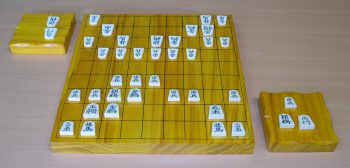
How many times have you heard this? Me: I’m going to learn Esperanto. Friend: Why are you going to waste your time with that? If you’ve ever considered learning Esperanto, the above dialog will play out over and over in your life like a broken record. Let’s try another: Me: I’m going to learn how…
Chinese learns Esperanto in just 5 months! Posted by Chuck Smith on Mar 30, 2015

Is Esperanto too European? I mean, is it too hard for Asians to learn it? In my early months of learning Esperanto, in 2002, I ran into a Chinese Esperanto speaker online, Zhu Xin (祝昕), who then lived in Beijing. But rather than tell you myself about his experience, I’d like to publish what he…
Esperanto: like a native (video) Posted by Chuck Smith on Feb 21, 2015

Today, February 21, 2015 is International Mother Language Day. There are over 6,000 languages spoken on earth, a staggering amount! Would you have guessed that Esperanto is one of them? As you might have already seen on this blog, Esperanto is a living language with native speakers, and in celebration of International Mother Language Day…
The Tale of Two Esperanto iPhone Keyboards Posted by Chuck Smith on Jan 29, 2015
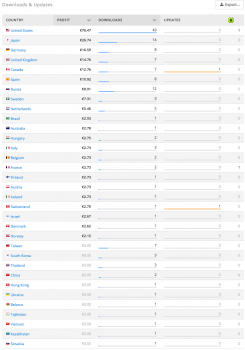
In September 2014, Apple opened up its mobile operating system, iOS 8 to third-party keyboards. Before this, the Ĝusta Klavaro was available, but it was a separate app where you typed and then copied and pasted its contents to where you wanted them–not very convenient. Due to this new feature of iOS 8, two Esperanto…
Trans in Esperanto Posted by Chuck Smith on Dec 27, 2014

Today I’d like to give a voice to a friend of mine who made a significant change in her life. Here is her article about her experiences in the Esperanto community. Sophia: A short introduction to the concept: being trans, an abbreviation for transgender or transsexual, means that I was born with a body that…