


Tag Archives: Arabic Language
Yehia Haqqi (1905 – 1992) Posted by Fisal on Dec 10, 2011
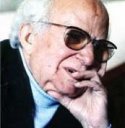
Yehia Haqqi يحيى حقي was one of the pioneers رُوّاد of the modern Egyptian literature. As well as being an important writer, he was an expert خبير on the Arab culture. He is considered a landmark in the cinema and literature and is compared to Naguib Mahfouz نجيب محفوظ and Yusuf Idris يوسف ادريس…
Fisal’s Dictionary: طبع Posted by Fisal on Nov 25, 2011
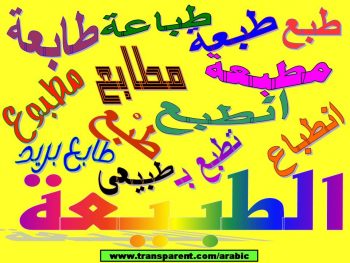
Today, we are going to go on a journey to the depths of the Arabic Dictionary to discover some of its secrets. We will look up the root verb طبع and explore some of its derivatives. * طـَبـَعَ [V. T.] = to print or copy something . Ex. – طـَـبَـعَ محمدٌ الكتابَ =…
The Arabic Sentence : The Nominal Sentence Posted by Fisal on Nov 20, 2011
We said before that there are two main types of Arabic sentences; the Nominal Sentence and the Verbal Sentence. Today we will focus on the first type. The Nominal Sentence الجملة الاسمية /Al-Jomlah Al-Ismiyyah/ is that which starts with a noun اسم /Ism/. This sentence consists of two important items to complete its meaning. These…
The Dean of Arabic Literature Posted by Fisal on Oct 29, 2011
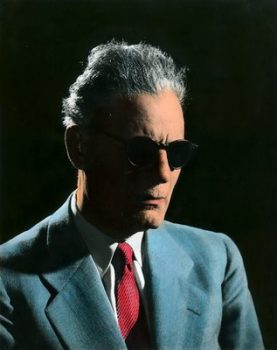
Taha Hussein (November 14, 1889 – October 28, 1973) Like yesterday in 1973, Taha Hussein, who was nicknamed the Dean of Arabic Literature عميد الأدب العربي , left our world. He was one of the most influential 20th century Egyptian writers and philosophers. He was a pioneer of enlightenment التنوير and had great contributions in…
Reading Comprehension – Seasons Posted by Fisal on Oct 25, 2011
* اقرأ القطعة ثم أجب عن الأسئلة : وليد و الشجرة Waleed and the Tree في الشَّتَاءِ رَأَى وَلِيدٌ شَجَرَةً عَارِيَةَ الأَغْصَانِ ، فَأَحْضَرَ فَأْساً ، وَهَمَّ بِقَطْعِ جِذْعِهَا . رِآهُ البُستَانِيُّ فَقَالَ لَهُ : (( لاَ تَقْطَعْ هّذِهِ الشَّجَرَةَ )). فقال وليد : هّذِهِ الشَّجَرَةُ يَابِسَةٌ لاَ وَرَقٌ عَلَيْهَا ولاَ ثَمَرٌ . فردَّ البستانيُّ…
Interrogative Particles (Part 1) أدوات الاستفهام Posted by Fisal on Oct 17, 2011
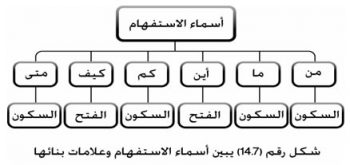
Today we are going to learn about the question particles in Arabic. The particles of today are equivalent to the Wh-question particles; (Interrogative Adverbs) in English. These particles are considered Mabni words (or Mabni Nouns) as they don’t change pronunciation. Question particles should always start the question sentence and can only be preceded by…
Listening comprehension exercise Posted by aziza on Sep 25, 2011
Listen to the clip below and answer the questions below. You can use the translated words below. قدرت = estimated مصلحة الإحصاءات العامة والمعلومات = Department of Statistics and Information إرتفاع = rise سكان = population الاحصاء السكاني = census إجمالي = total محللون = analysts توفير = making available الوظائف = jobs المساكن =…