


Yes/No Questions Video Posted by sasha on Sep 20, 2011
The Chinese language lacks a direct translation of the words “yes” and “no.” This causes a lot of confusion amongst foreigners studying the language. It’s also the source of a lot of cultural misunderstandings for people traveling or living in the country. In a follow up to Steve’s written post, this short video tries to…
Yes? No? Maybe so. Posted by Stephen on Sep 15, 2011
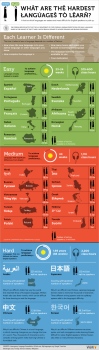
Most people learning Chinese have exclaimed that “it’s like learning two, if not three new languages all at once”. While it may not be as difficult as learning Chinese, Japanese and Korean at the same time, there is some truth in this. Let’s take the process of learning beginning Chinese. First, before even looking upon…
Chinese Bamboo Flute (笛子) Posted by Stephen on Sep 13, 2011
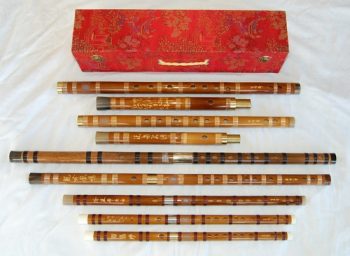
The Chinese bamboo flute or 笛子 (dízi) is the most popular of the Chinese flutes and woodwind instruments. The versatility and range of the instrument, coupled with the portability and price, makes the dizi easily accessible and useful across many genres of Chinese music. For aspiring musicians, it’s a more refined version of the western…
Chinese Traditional Drumming (传统鼓乐) Posted by Stephen on Sep 12, 2011
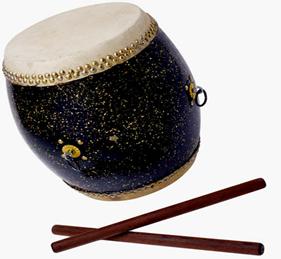
Percussion is the oldest form of non-vocal music, and as a result, reflects many of the social and historical peculiarities that evolve throughout a culture. In China, traditional drumming is associated with pomp, circumstance and jubilation. It is a hallmark of prosperity and celebration, uniting people through collective rhythm and tempo. As China continues to…
Chinese Instruments: gǔqín (古琴) Posted by Stephen on Sep 8, 2011
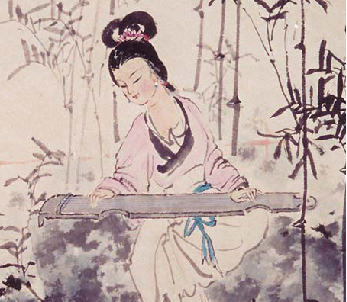
“Music produces a kind of pleasure which human nature cannot do without.” –Confucius Stillness of mind in seven strings. Harmony and heartbreak dance like fingers over a fretboard. That is the gǔqín or 古琴, in a nutshell. This string-plucked, Chinese musical instrument of the zither family is similar to a western harp, and is famous for its hallmark vibrato…
Chinese Instruments: èr hú or Chinese Violin (二胡) Posted by Stephen on Sep 6, 2011
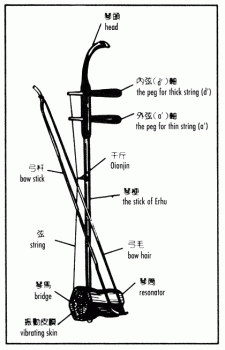
The èr hú (二胡) is a two-stringed, bowed musical instrument affectionately called the “Chinese violin” or “Chinese two-stringed fiddle” by westerners. If you have ever taken a walk down a crowded Chinese street, waited for a train in the subway, or enjoyed a weekend stroll through the park, you’ve undoubtedly heard the ear-piercing cry of the er hu. Love it…
Chinese Numbers 0-1000 Posted by sasha on Sep 6, 2011
When learning a new language, one of the most important things is to get the numbers down. Whether you’re telling a new acquaintance how old you are, figuring out bus routes, ordering food in a restaurant, paying for a taxi, or bargaining in a local market, you’ll be totally lost without a firm grasp of…