


Archive for 'English Vocabulary'
My Hometown (Video) Posted by sasha on Oct 23, 2012
When you learn English, one of the first things you’ll need to talk about is where you come from. Talking about your hometown is good for making small talk, and it’s something you will do many times in your life. To help you in your English studies, here’s a video about my hometown of Detroit…
Kitchen utensil vocabulary and practice Posted by Gabriele on Oct 22, 2012
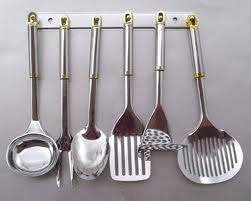
Yesterday I presented a video that showed you my kitchen and introduced you to some kitchen related vocabulary. Today as a follow-up and vocabulary builder I have a few exercises for you based around kitchen vocabulary . These exercises focus on kitchen utensils and are at an intermediate to advanced level. A few of the…
Video: Kitchen tour and vocabulary Posted by Gabriele on Oct 21, 2012
Answers to yesterday’s fill-in-the-blank exercise: 1. lobby, 2. stumping, 3. incumbent, 4. photo-ops, 5. bipartisan
Election Season: Political Vocabulary Posted by Gabriele on Oct 20, 2012
With the current American presidential election well underway there is a lot of political vocabulary being used everyday in the media. This post defines some of this common political vocabulary and gives you a chance to practice using some of this new political vocabulary in a few fill-in-the-blank exercises. Enjoy! bipartisan: (adj) A cooperative interaction…
Leaf peeping in fall Posted by Gabriele on Oct 19, 2012

Leaf peeping is a common fall activity in the United States, especially in the northeastern region, but what is it? First let’s define the words in this phrase; Leaf (n) – the flat, often green, part of a tree to peep (v) – to take a quick look or glance Now that you know what…
Once in a blue moon Posted by Gabriele on Oct 17, 2012

Once in a blue moon – have you ever heard this expression before? Do you know what it means? The expression ‘once in a blue moon’ means ‘rarely.’ It refers to something that does not happen very often. Here are two examples of how to use this expression in context. Examples: I only go…
Mother, father, mom, and dad Posted by Gabriele on Oct 8, 2012

There are many different names for parents in English. Some of the different names people (children and adults) use to refer to their parents are found in different regions of the English speaking world, for example in England is more common to call one’s mother, “mummy” or “mum”, than it is to do so in…