


Archive for 'Dutch Language'
Dutch Idioms 28: Throwing the Child Away Posted by Sten on Mar 31, 2022

Today, I want to discuss one of my favorite uitdrukkingen (expressions) in the Dutch language. Because it is so weirdly unique, I want to dedicate this entire post of Dutch Idioms to it. It involves bathing your little baby in nice warm water, but then considering throwing out that water, including the baby! What on earth…
Curious Dutch Words – Monnikenwerk Posted by Sten on Mar 28, 2022

It’s a situation we’re probably all too familiar with: You know you have that paper to write, but it is saaaaai (booooring). This eentonig (monotonous) subject and the ridiculous length that you are required to write about it… Come on! Daar heb ik geen tijd voor! (I don’t have time for that!) In Dutch, we sometimes…
Dutch Late Night Host Arjen Lubach Is Back! Posted by Sten on Feb 28, 2022

Arjen Lubach is a Dutch comedian who gained international fame with his show Zondag met Lubach (Sunday with Lubach). This show held every Sunday evening discussed news with a comedic twist, similar to American formats like The Daily Show, Last Week Tonight and the Colbert Report. Lubach became most famous for his short skit America First, The Netherlands…
Dutch Idioms 27 – Is it the truth? Posted by Sten on Feb 11, 2022

Sometimes we read something in the news, or we hear something raars (strange), we frown, and we ask ourselves: klopt dat wel? (Is that actually true?) Then we start digging, to uncover the waarheid (truth). And as we all know, truth comes out in the end. Or well, we say something like that in Dutch Idioms. Here’s how the Dutch…
Dutch Terms – How Drinking Makes Agreements Dutch Posted by Sten on Jan 21, 2022

That title might sound weird – what do agreements and drinking have in common? And how do the Dutch get involved? There are quite a number of English words where you can ask yourself that question. In this series on “Dutch”-terms, we explore these words and look at their history and how they got their…
Our 5 Best Posts On The Dutch Blog In 2021 Posted by Sten on Jan 14, 2022
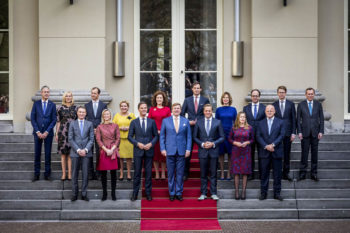
It’s almost the third weekend of 2022. Perhaps now is the perfect time to look back at some of our best posts on the blog in 2021. Perhaps you missed some of these? Or maybe you’d just like to read them again! Well, now is the time to check them out! Below, you can find…
Showing Respect in Dutch: Invaliden and Handicaps Posted by Sten on Jan 3, 2022
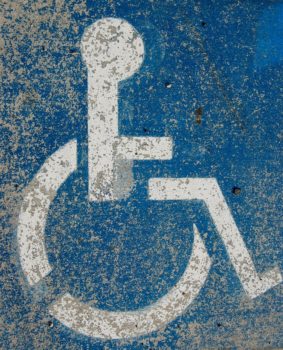
When I grew up, a person with a disability was known in the Netherlands as an invalide. This doesn’t mean they are “invalid”, of course. It comes from French invalide, which in turn goes back to Latin invalidus – the opposite of validus, which means strong and healthy. So to say that having a disability makes you invalid, in other…