


Ozapft is! Oktoberfest 2014 has begun! Posted by Constanze on Sep 20, 2014
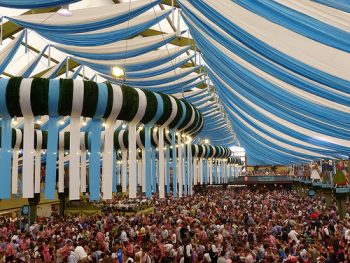
Today marks the start of the annual Oktoberfest in München! Here are a few facts about the world’s largest and most popular beer festival. A brief history of Oktoberfest Oktoberfest began in 1810 – a whopping 204 years ago – when King Ludwig I married Princess Therese von Sachsen-Hildburghausen, and invited all of the…
Untranslatable German Words: Der Geisterfahrer Posted by Constanze on Sep 17, 2014

Guten Tag! Here’s another little German language lesson in the form of an untranslatable German word – and today there are a few other words thrown in for good measure. Today’s word is Der Geisterfahrer. Before I tell you what this word means, here are some similar-looking words, along with their meanings. You will see…
German grammar in use: The conjugation of the verb “sehen” Posted by Sandra Rösner on Sep 15, 2014
The German verb sehen (to see; to look; to face) is a strong verb, which means that it has another root vowel in the preterit. In the overview below you can find the conjugations of the verb sehen in the German tenses: Präsens, Imperativ, Präteritum, Futur I, Perfekt and Futur II. The additional examples are…
Sayings + Expressions 8: The Fall and The Cosmetics Posted by Sten on Sep 15, 2014
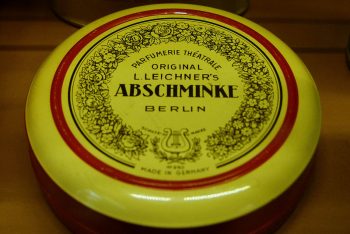
Liebe Leser! First of all, sorry for the delay, but here we are again… The next sayings + expressions! This time, we are concerned with falling, and… cosmetics? The saying, please! Hochmut kommt vor dem Fall Pride/Haughtiness goes before a fall The meaning of this saying is quite clear, and originates in the Bibel (Bible), in Sprüche (Proverbs) 16,18…
Why Bavaria Party Supports Scottish Independence Posted by Constanze on Sep 13, 2014
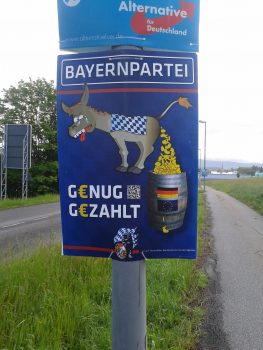
When I was last in Bayern there was an upcoming election, and the streets were filled with campaign posters for the different political parties. The one that stood out to me the most was the rather satirical poster for the Bayern Partei – the Bavaria Party. This is what it looked like: What I liked…
German grammar in use: The conjugation of the verb “kommen” Posted by Sandra Rösner on Sep 8, 2014
The German verb kommen is an irregular verb. That is, there is a vowel change when you form its past. The common English translation of kommen is “to come” or “to arrive”. But kommen is also used in several phrases. Check out the example sentences below to find out how the verb kommen is used…
Holiday Destination: The Unspoilt Islands of Germany. Posted by Constanze on Sep 2, 2014
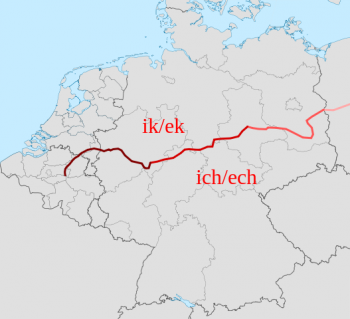
As I am going on holiday this week I am in great spirits, and so I felt inspired to write this holiday-themed post for all of you who want to escape the cold weather (remember: It’s still summer somewhere in the world!). When people think of beach holidays in Europe, they think of places like…