


The childhood in Portuguese Posted by carol on Mar 31, 2022

Olá, pessoal! Como estão? When living in a país estrangeiro (foreign country), we often catch ourselves struggling to find the right words in the most unusual situations. I was hosting um chá de bebê (a baby shower) for a friend and, as I don’t speak the local language, finding exactly what I needed to buy…
More ways to use ‘sério’ in Portuguese Posted by carol on Mar 25, 2022

Ei, gente! Prontos para o fim de semana? Mas agora é hora de falar sério! But now it’s time to get serious and move on with our previous post about the word sério in Portuguese. Today we are going to cover a few more idioms and examples related to this very interesting term in our…
Why so serious? The word ‘sério’ in Portuguese Posted by carol on Mar 14, 2022

Fala, pessoal! Tudo bem? Sério mesmo? Learning about collocations and idioms is the best way to achieve fluency and communicating in a natural way in a foreign language. And using the word sério (serious) properly can certainly help. Today’s post will round up some examples of how to use the term and their meanings. And…
Brazil on social media: Who to follow Posted by carol on Feb 28, 2022

Olá a todos! Hi, all! Nowadays, there are muitas maneiras (many ways) to learn Portuguese beyond the good old coursebook. You can se matricular em um curso (sign up for a course), contratar um professor particular (hire a private tutor), befriend a native speaker and exchange messages, use language learning apps, ouvir (listen to) podcasts…
Modern Art Week special: Manuel Bandeira Posted by carol on Feb 17, 2022

Fala, galera! If you look back a hundred years, do you know what was going on in your country back then? Well, cem anos atrás (a hundred years ago), the Semana de Arte Moderna (Modern Art Week) was held in São Paulo, a milestone in arts and culture in Brazil. The event featured exposições de…
Natural disasters in Portuguese Posted by carol on Feb 8, 2022

Fala, pessoal! What’s up, you guys? Como está o clima onde vocês estão? What’s the weather like where you are? Fevereiro (February) means freezing cold temperatures in the northern hemisphere, but scorching quente (hot) weather for those down south, like us Brazilians. At least it’s a break from the raging tempestades (storms) we saw in…
Wordle in Portuguese? Posted by carol on Jan 31, 2022
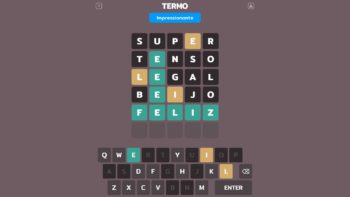
Fala, pessoal. Tudo bom? If you’ve checked as redes sociais (social media) lately, you probably noticed some of your amigos e parentes (friends and relatives) sharing an enigmatic picture composed of tiny coloful quadrados (squares). I was intrigued myself, until a friend introduced me to the captivating Wordle. The story behind it is quite touching…